
Afghanistan Plans to Curb River Flow Into Pakistan, Mirroring India’s Indus Water Strategy

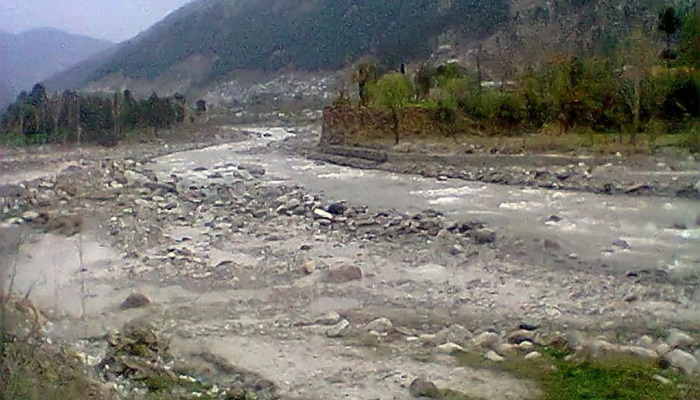
Afghanistan has followed India’s example this week by moving to restrict Pakistan’s access to water.
With the Taliban ordering the construction of dams along the Kunar River “as soon as possible.” The directive came from Taliban Supreme Leader Mawlawi Hibatullah Akhundzada, with acting Water Minister Mullah Abdul Latif Mansoor confirming on X that the project will be executed by domestic firms.
Mansoor emphasised, “Afghans have the right to manage their own water,” signalling the government’s determination to assert control over the river amid escalating tensions along the Durand Line — the 2,600-km disputed border with Pakistan. This comes after Islamabad accused Kabul of supporting the Tehreek-e-Taliban Pakistan, which Pakistan has designated a terrorist organisation.
The move mirrors India’s recent actions following the April 22 terror attack in Jammu and Kashmir’s Pahalgam, when New Delhi suspended the 65-year-old Indus Waters Treaty, which governs the sharing of the Indus and its tributaries.
The Kunar River and Its Strategic Importance
Originating in Pakistan’s Chitral district in the Hindu Kush mountains, the 500 km Kunar River flows south into Afghanistan, traversing the Kunar and Nangarhar provinces before merging with the Kabul River. The combined rivers, along with the Pech River, flow east back into Pakistan, joining the Indus near Attock in Punjab.
The Kabul River is a vital source of irrigation, drinking water, and hydroelectric power, especially for Pakistan’s Khyber Pakhtunkhwa region, which has been at the centre of cross-border clashes. Should Afghanistan complete the dams, it could significantly reduce water availability in Pakistan, worsening an already strained situation exacerbated by India’s restrictions on the Indus. Unlike the Indus Waters Treaty, no formal agreement exists between Afghanistan and Pakistan to regulate these waters, leaving Islamabad with limited options to challenge the dams.
Taliban’s Broader River Control Strategy
Since taking power in August 2021, the Taliban has focused on controlling rivers and canals across Afghanistan, including those flowing west into Central Asia, building dams and canals to secure water for agriculture and energy. The 285 km Qosh Tepa Canal in northern Afghanistan is a notable example, expected to transform 550,000 hectares of arid land into farmland. Experts warn that it could divert up to 21% of the Amu Darya River, impacting water-scarce neighbouring countries like Uzbekistan and Turkmenistan.
Recently, Taliban Foreign Minister Amir Khan Muttaqi visited India and highlighted the support India has provided for dam construction in Herat province, signalling closer cooperation in water infrastructure.
Afghanistan’s new dams along the Kunar River underscore the strategic use of water as a geopolitical tool, with the potential to further inflame tensions with Pakistan while asserting the Taliban’s control over key resources.
Comments are closed.