

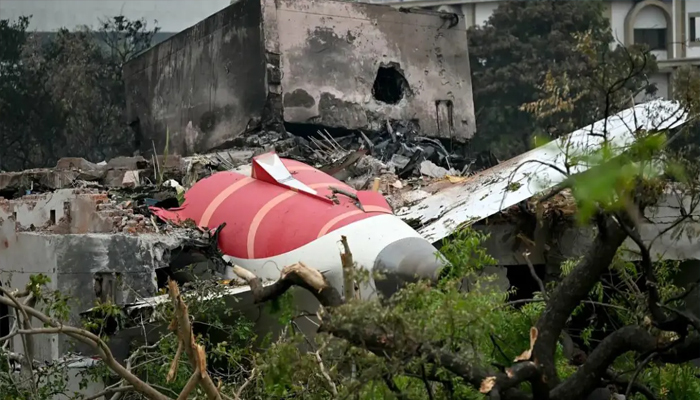
Air India Boeing 787-8 Crash Remains Unexplained Six Months On.
Six months after the tragic Air India Flight 171 crash that killed 260 people, investigators have yet to provide a clear explanation, fueling disputes between pilots, the airline, and the aircraft manufacturer.
The Boeing 787-8 Dreamliner took off from Ahmedabad Airport on June 12, bound for London Gatwick, with 230 passengers and 12 crew members on board. Less than a minute later, it crashed into buildings of a medical university campus just a few hundred meters from the runway, exploding into flames. Only one passenger survived, while 19 people on the ground were also killed. Victims included 200 Indians, 52 British nationals, seven Portuguese, and one Canadian.
Preliminary Findings
The Aircraft Accident Investigation Bureau (AAIB) released a preliminary report in July, noting that fuel supply switches for both engines were almost simultaneously turned off just after takeoff. The cockpit voice recorder captured one pilot asking the other why the fuel was cut, with the co-pilot denying responsibility. Less than 10 seconds later, the switches were turned back on, and the pilots transmitted a Mayday before the plane crashed.
The report, however, does not clarify whether the fuel cut-off was due to pilot error or a technical malfunction, leaving key questions unanswered.
Controversy and Dispute
The preliminary report sparked criticism from pilot associations and victim families. Critics argue that the report focuses disproportionately on the deceased pilots, without examining other possible causes such as mechanical failure or maintenance issues.
Pushkaraj Sabharwal, father of co-pilot Sumeet Sabharwal, filed a petition with the Supreme Court, calling the investigation “profoundly flawed” and highlighting the need to explore technical and procedural causes.
Some legal representatives, like British lawyer Sarah Stewart, suggest a scenario involving uncommanded fuel cut-off due to potential Boeing system faults, echoing concerns raised by aviation experts. Former pilot Amit Singh noted that electrical faults had been reported on the aircraft prior to the crash, while aviation analyst Mark Martin warned of a possible cover-up, drawing parallels to the 737 MAX crashes, where pilots were initially blamed for design flaws.
Meanwhile, Air India CEO Campbell Wilson maintains that the preliminary report indicates no fault with the aircraft, engines, or airline operations.
As the investigation continues, families and experts continue to seek answers, with speculation over pilot error versus mechanical failure keeping tensions high.
Comments are closed.