
Air India Replaced Fuel Switch Module Twice Before Crash; Boeing Maintains It’s Safe

Air India Replaced Fuel Switch Module Twice Before Crash; Boeing, FAA Insist Design Is Safe.
Air India had replaced a critical cockpit component—housing the fuel control switches—twice on the Boeing 787-8 Dreamliner that crashed in Ahmedabad last month, killing all 260 people on board, according to a PTI report citing official sources.
The Throttle Control Module (TCM), which includes the switches that regulate engine fuel supply, was swapped out once in 2019 and again in 2023. Both replacements were conducted in line with Boeing’s maintenance guidelines, which recommend changing the unit every 24,000 flight hours.
Despite the replacements, investigators are probing the module’s role in the June 12 crash of the London-bound aircraft (registration VT-ANB), after both engines shut down seconds after takeoff. Cockpit recordings captured a startling exchange as the fuel switches were moved to “CUTOFF” almost simultaneously—disabling the engines.
“Why did you cut off the fuel?” one pilot asked.
“I did not do so,” the other responded.
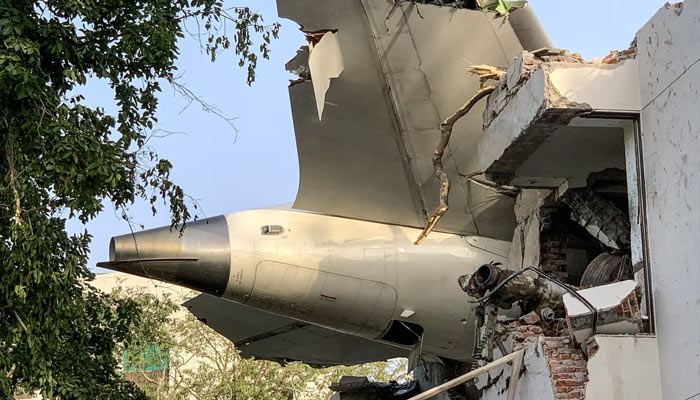
The engines briefly restarted after the switches were moved back to “RUN,” but failed again shortly after. The aircraft lost altitude rapidly and crashed into a nearby building.
Boeing, FAA Reject Fault With Fuel Switches
The US Federal Aviation Administration (FAA) and Boeing have maintained that the design of the fuel control switches does not pose a safety risk. On July 11, the FAA issued a Continued Airworthiness Notification, accessed by Reuters, stating there is no need for a formal Airworthiness Directive. Boeing echoed the same view in a Multi-Operator Message sent to all global operators of the 787, sources said.
Investigators noted a 2018 FAA advisory that had recommended inspecting the locking mechanism of the fuel cutoff switches to prevent unintentional activation. However, since the advisory was non-mandatory, Air India did not carry out the inspection.
No Known Defect, Says AAIB
India’s Aircraft Accident Investigation Bureau (AAIB), in its preliminary report released on Saturday, acknowledged the prior TCM replacements but clarified that no known defect had been associated with the unit. Maintenance logs confirmed Air India complied with all required airworthiness directives and alert service bulletins throughout the aircraft’s operational life.
What triggered the movement of the switches to the “CUTOFF” position remains unclear. The full findings of the AAIB’s investigation are expected in the coming months.
Comments are closed.