
Air Pollution and Fertility: Experts Warn Smog May Affect Reproductive Health Beyond the Lungs

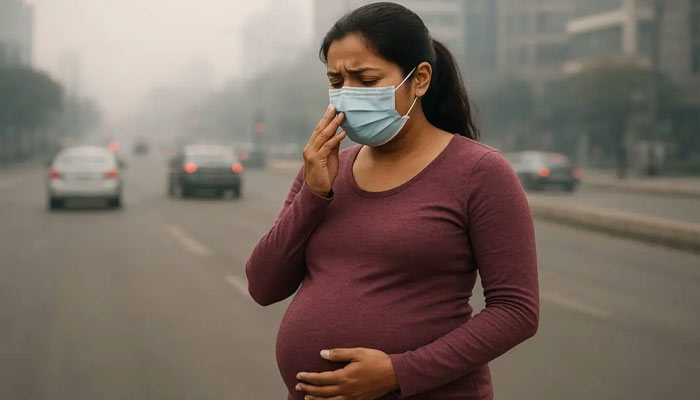
Air Pollution and Fertility: How Smog May Affect Reproductive Health in Men and Women
Air pollution is once again becoming a growing concern across India, with several cities recording elevated levels of harmful particulate matter. On October 14, Delhi’s average Air Quality Index (AQI) stood at 181, placing it in the moderate category, according to the Commission for Air Quality Management. However, some monitoring stations reported poorer air quality.
Hourly PM2.5 concentrations also varied across major cities, reaching 126.2 µg/m³ in Patna, 114.1 µg/m³ in Ludhiana, 108.5 µg/m³ in Delhi and 86.4 µg/m³ in Kolkata.
While smog is commonly associated with respiratory illnesses, its potential effects may extend beyond the lungs. Emerging research suggests that prolonged exposure to air pollutants could be associated with changes in sperm quality, reproductive hormones, female fertility and pregnancy outcomes.
Fertility specialists explain how air pollution may affect men and women differently, what current scientific evidence indicates and which precautions couples planning a pregnancy can take to reduce their exposure.
How Can Air Pollution Influence Fertility?
Research increasingly points to a possible relationship between long-term exposure to air pollution and reproductive health.
A Danish study involving more than 900,000 people found that men exposed to PM2.5 concentrations averaging 2.9 µg/m³ above the reference level over five years had a 24% higher risk of receiving an infertility diagnosis. Researchers did not observe the same association among women in that study.
Although these findings raise concerns, they do not establish that air pollution directly causes infertility. The effects may vary depending on exposure levels, duration, individual health and other environmental or lifestyle factors.
Dr Megha Jindal, Fertility Specialist at Birla Fertility & IVF, Noida, explains that prolonged exposure to polluted air may affect reproductive health through oxidative stress and inflammation.
“Smog and polluted air may affect reproductive health, especially in cities where bad air can last for weeks. It is contingent upon the duration and intensity of people’s exposure, but studies show that oxidative stress and inflammation are two mechanisms through which pollutants can interfere with reproductive function in women and men,” she says.
How Air Pollution May Affect Male Fertility
In men, exposure to fine particulate matter and other pollutants has been associated with changes in sperm concentration, motility and morphology. These parameters help determine sperm quality and its ability to reach and fertilise an egg.
Dr Kranthi Shilpa, Senior Consultant in High-Risk Obstetrics and Gynaecology, Laparoscopic Surgery and Infertility at CARE Hospitals, Banjara Hills, Hyderabad, explains that pollutants such as PM2.5 and nitrogen dioxide may trigger inflammation and oxidative stress after entering the body through inhalation.
Oxidative stress occurs when harmful reactive molecules overwhelm the body’s antioxidant defences. In reproductive health, this process may damage sperm cells and potentially affect sperm DNA.
Some research has also suggested that air pollution may influence reproductive hormone regulation. However, the precise mechanisms and the extent of these effects remain under investigation.
Dr Prasanta Kumar Nayak, Regional Medical Head and Fertility Specialist at Oasis Fertility, Bhubaneswar, highlights findings from a 2023 systematic review and meta-analysis examining ambient air pollution and semen quality.
The review reported associations between exposure to pollutants, including particulate matter and sulphur dioxide, and changes in certain semen parameters. Such findings suggest that environmental pollution may be one of several factors influencing male reproductive health.
However, exposure does not automatically mean a man will experience infertility, and individual outcomes can differ considerably.
How Smog May Affect Female Fertility
Air pollution may also influence reproductive health in women, although the available evidence is not uniform across studies.
Fine particulate matter and gaseous pollutants have been associated with changes in hormonal regulation, ovarian function and certain pregnancy outcomes. Oxidative stress may potentially affect the environment in which eggs develop and the reproductive processes involved in conception.
Researchers have also investigated possible links between pollution exposure and longer time to conception, reduced fertility and complications such as preterm birth and low birth weight.
Exposure during early pregnancy is another area of concern because embryo development and implantation depend on several carefully regulated biological processes. Nevertheless, the strength of the evidence varies by pollutant, exposure period and outcome.
Dr Nayak points to a 2025 systematic review and meta-analysis involving women undergoing assisted reproductive technology. The review reported associations between exposure to nitrogen dioxide and carbon monoxide during certain stages of fertility treatment and lower clinical pregnancy rates.
These findings indicate a potential relationship, rather than proof that pollution directly causes unsuccessful fertility treatment. More research is needed to understand the mechanisms involved and establish the extent of the risk.
Experts stress that air pollution should be considered a possible contributing factor, not the sole explanation for difficulties conceiving. Age, hormonal disorders, underlying medical conditions and male reproductive factors remain important considerations.
What Can Couples Do to Reduce Exposure While Planning a Pregnancy?
Although individuals cannot always control outdoor air quality, practical measures can help reduce exposure to harmful pollutants.
“Couples planning a pregnancy should treat air quality as one factor among several, together with age, existing medical conditions and lifestyle,” says Dr Jindal.
She recommends limiting outdoor exposure during periods of severe pollution, avoiding strenuous exercise in heavily polluted areas, wearing a well-fitted N95 mask when necessary and using indoor air filtration where feasible.
Dr Shilpa advises couples to monitor local air-quality alerts and adjust outdoor activities accordingly. Improving indoor air quality, avoiding tobacco smoke, maintaining a balanced diet and exercising in cleaner environments may also support general health.
Dr Nayak similarly recommends adequate sleep, regular physical activity and a nutritious diet. While these measures cannot eliminate the effects of pollution, they can form part of a broader approach to protecting overall well-being.
Couples should also avoid assuming that fertility problems are necessarily linked to smog. Anyone experiencing persistent difficulty conceiving should consult a qualified fertility specialist for an appropriate assessment.
Can Avoiding Smog Improve the Chances of Pregnancy?
Reducing exposure to air pollution is a sensible precaution, but it cannot guarantee improved fertility or pregnancy outcomes.
All three specialists emphasise that reproductive health is influenced by multiple factors, including age, hormone levels, underlying medical conditions, lifestyle and the reproductive health of both partners.
A medical evaluation can help identify the factors contributing to difficulties conceiving and determine whether treatment is needed. Couples should not delay seeking professional advice while waiting for air quality to improve.
“Over the long term, clean air benefits reproductive health, and personal precautions matter in the meantime,” says Dr Jindal.
As research into air pollution and reproductive health continues, reducing exposure may be a useful preventive step. At the same time, sustained improvements in air quality and timely access to fertility care remain important for protecting reproductive health.
Comments are closed.