
Bathinda AQI Crosses 1,100, Makes Punjab City India’s Most Polluted in Latest Air Quality Rankings

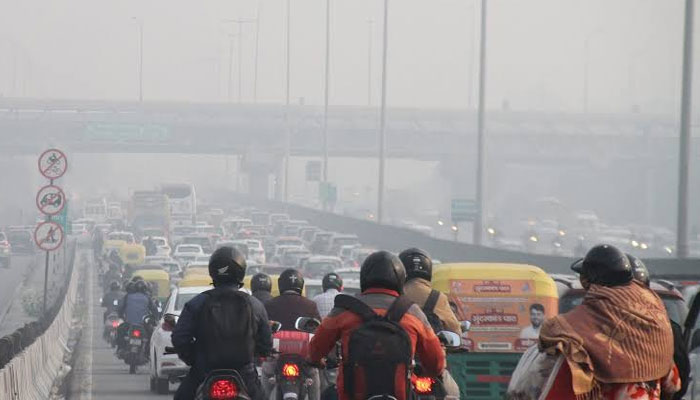
Bathinda Records AQI of 1,124 as Severe Pollution Grips Parts of North India
Bathinda in Punjab recorded an alarming air pollution reading on the morning of November 3, with its real-time Air Quality Index (AQI) reaching 1,124 at 9:01 am, according to the AQI.in dashboard. The reading placed the city at the top of the platform’s list of India’s most polluted locations, as several other cities in Punjab, Haryana and Uttar Pradesh also reported extremely high pollution levels.
The dashboard showed that fine particulate matter, or PM2.5, was the main pollutant behind Bathinda’s reading. The level was classified as hazardous by the tracker, indicating potentially serious health risks for people exposed to polluted air.
Sirsa, Faridkot and Rohtak were also among the cities reporting exceptionally high readings, at around 846 each. The figures suggest that the pollution episode was affecting a wider belt of northern India.
Punjab, Haryana and UP Feature on Pollution List
According to the supplied real-time Air Quality Index Dashboard data, the following cities recorded the highest pollution levels:
Bathinda, Punjab: 1,060-1,124
Sirsa, Haryana: Around 846
Faridkot, Punjab: Around 846
Rohtak, Haryana: Around 846
Jalandhar, Punjab: Around 689
Meerut, Uttar Pradesh: Around 640
Ghaziabad, Uttar Pradesh: Around 618
Hisar, Haryana: Around 612
Ludhiana, Punjab: Around 560
Kaithal, Haryana: Around 508
According to the AQI.in data, Punjab and Haryana each accounted for four cities among the 10 locations with the highest reported pollution levels. Uttar Pradesh had two cities on the list.
The reported readings ranged from approximately 508 to above 1,100. However, these figures represent live or near-real-time dashboard estimates and can change with weather conditions, monitoring locations and reporting times.
It is also important to distinguish between readings from private air-quality platforms and the official AQI calculated by India’s Central Pollution Control Board (CPCB), as different systems may use different scales and classifications.
Why High PM2.5 Levels Are Dangerous
PM2.5 refers to airborne particles measuring 2.5 micrometres or less in diameter. Because of their extremely small size, these particles can travel deep into the respiratory system and, in some cases, enter the bloodstream.
Prolonged exposure to high concentrations can aggravate asthma, bronchitis and other respiratory illnesses. It may also increase the risk of cardiovascular problems. Children, senior citizens and people with existing lung or heart conditions are particularly vulnerable.
How India’s AQI Scale Classifies Pollution
The CPCB uses eight pollutants to calculate India’s national AQI: PM2.5, PM10, nitrogen dioxide, sulphur dioxide, carbon monoxide, ozone, ammonia and lead.
The official categories are:
Good (0–50): Minimal health impact.
Satisfactory (51–100): Minor breathing discomfort may affect sensitive individuals.
Moderate (101–200): People with lung or heart conditions, children and older adults may experience discomfort.
Poor (201–300): Prolonged exposure may cause breathing difficulties.
Very Poor (301–400): Prolonged exposure can increase the risk of respiratory illness.
Severe (401–500): Even healthy people may experience health effects, while vulnerable groups face greater risks.
The AQI.in reading of 1,124 should not be directly mapped onto this CPCB scale, which ends at 500. The platform’s own classification and measurement method need to be considered when interpreting the figure.
Precautions to Reduce Exposure to Toxic Air
Residents in affected areas should limit time outdoors, particularly when pollution levels are elevated. Outdoor workouts, running and other strenuous activities should be avoided during periods of poor air quality.
Keeping doors and windows closed when outdoor pollution is high and using an indoor air purifier, if available, may help reduce exposure. Those who must go outside can use a well-fitted N95 respirator, which offers better protection against fine particles than ordinary cloth masks.
People with asthma, COPD, heart disease or other chronic conditions should follow their prescribed treatment and medical advice. Worsening breathlessness, persistent coughing or chest discomfort should not be ignored and may require prompt medical attention.
A healthy diet and adequate hydration support general well-being, but they cannot neutralise the effects of polluted air. Reducing exposure remains the most important precaution during severe pollution episodes.
Comments are closed.