
Better Grip, Better Balance: The Yoga Mat That Makes Every Pose Easier

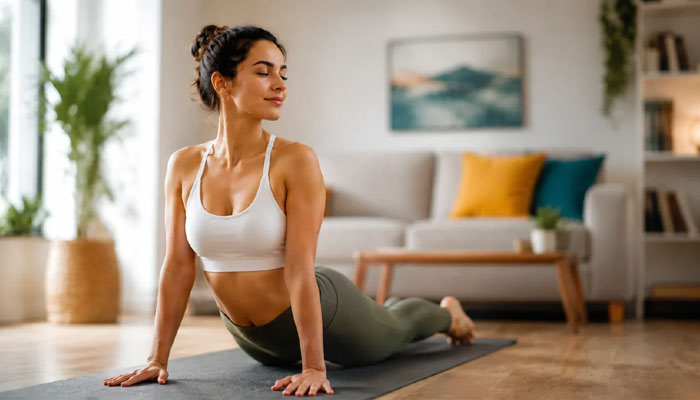
Best Yoga Mats Under Rs 700: How to Choose the Right One for Comfort, Grip and Stability
Building a yoga routine at home doesn’t require an expensive gym membership or a collection of specialised equipment. A small workout space, comfortable clothes and a reliable yoga mat are enough to get started. However, the quality of your mat can have a noticeable impact on your experience, especially when you’re holding balance poses, stretching or performing floor exercises.
A slippery surface can make certain poses uncomfortable, while insufficient cushioning may put unnecessary pressure on your knees, elbows and wrists. Choosing the right yoga mat is therefore about more than just finding an affordable option.
If you’re planning to buy one without crossing the Rs 700 mark, focus on three important factors: thickness, grip and material. These features determine how stable, comfortable and practical a mat will be for your daily routine.
What thickness should you choose?
Yoga mats are available in different thicknesses, but a thicker option isn’t automatically better.
For beginners, mats measuring between 4mm and 6mm generally offer a good combination of stability and cushioning.
4mm mats: These are lightweight and provide a relatively firm surface. They work well for standing poses, balance exercises and users who prefer better floor contact.
6mm mats: These provide additional cushioning for the knees, wrists and elbows. They can be particularly useful on hard marble or tiled floors.
8mm and thicker mats: These are better suited to stretching, Pilates and floor-based workouts. However, excessive softness may affect stability during certain standing poses.
Your choice should depend on the exercises you perform and the type of flooring in your home.
Grip and material matter more than you think
A yoga mat should remain firmly positioned on the floor while allowing your hands and feet to maintain traction. Textured surfaces and anti-skid undersides can help minimise unwanted movement during different poses.
However, grip performance can vary depending on the material, surface finish and amount of moisture. Sweat, dust and poor maintenance can also make a mat slippery. Cleaning it regularly is essential, particularly if you practise yoga frequently.
Material is another factor worth considering:
EVA: Lightweight, flexible and commonly used in affordable yoga mats. It is suitable for basic workouts and everyday stretching.
PVC: Generally offers a firmer construction and can be durable, although grip depends on the surface finish.
NBR foam: Provides softer cushioning and is useful for floor exercises, but may feel unstable during balance-focused movements.
TPE: Often promoted as an alternative to conventional PVC, though its environmental benefits depend on the actual product composition and manufacturing process.
Before purchasing, also check the mat’s length and width. Most standard options measure approximately 6 feet by 2 feet. Taller users may prefer a longer surface, while those who travel frequently should consider weight and portability.
5 Yoga Mats Under Rs 700 to Consider
If you’re shopping on a limited budget, several brands offer basic options for home yoga and fitness routines. Here are five products worth comparing on Amazon India.
1. Lifelong EVA Yoga Mat
Lifelong offers an affordable option for people who are beginning their fitness journey and want a straightforward mat for home use. Its EVA construction makes it lightweight and convenient to roll up and store after a workout.
It can be considered for beginner yoga sessions, stretching and light exercises. Before ordering, check the thickness and dimensions of the selected variant to ensure that it provides sufficient cushioning for your flooring.
2. Boldfit EVA Yoga Mat
Boldfit is another brand worth exploring if you want a mat that can be used for more than yoga. Its EVA exercise mat is designed for activities such as Pilates, stretching and general home workouts.
The lightweight design makes it convenient for regular use, while its anti-slip positioning is intended to provide better stability. Compare the specifications of different colour and size variants before making your choice.
3. Fitness Mantra 6mm Anti-Skid Yoga Mat
For those who prefer a little more padding, the Fitness Mantra 6mm mat is worth considering. Its EVA construction and anti-skid design make it suitable for everyday yoga sessions and floor-based exercises.
The 6mm thickness offers more cushioning than thinner alternatives, which may be helpful during seated stretches, kneeling positions and exercises performed on hard floors.
4. SAVI VIBES 5mm EVA Yoga Mat
Not everyone wants an extremely thin or heavily cushioned mat. The SAVI VIBES 5mm EVA option provides a middle ground between portability and cushioning.
Its phthalate-free positioning is another detail that buyers may want to examine in the product specifications. It is worth comparing with standard 4mm and 6mm mats if you’re looking for a balanced everyday option.
5. Slovic Yoga Mat
If affordability is your main consideration, Slovic is another brand to explore. Its budget-friendly yoga mat can be considered for occasional stretching, beginner exercises and basic home fitness routines.
However, pay particular attention to the listed material, thickness and dimensions. Lower-priced mats may offer less cushioning and durability than more substantial alternatives, so checking customer reviews before purchasing is advisable.
How to pick the right yoga mat without overspending
Choosing a yoga mat doesn’t have to be complicated. If you’re a beginner who plans to combine standing poses, stretching and floor exercises, a 4mm to 6mm option is generally a practical starting point.
Prioritise a stable surface, comfortable cushioning and sufficient grip rather than simply choosing the thickest or cheapest product available.
Also, remember that online prices and product specifications can change. Check the latest Amazon listing for the selected variant, including its dimensions, material, care instructions and customer feedback.
Ultimately, the right yoga mat is one that supports your movements, feels comfortable during longer sessions and encourages you to maintain a consistent fitness routine. You don’t need to spend a fortune to make your home yoga practice more comfortable.
Comments are closed.