
Delhi Pollution Curbs Begin Today: Vehicle Restrictions, 50% WFH and No Fuel Without PUC Among 5 New Rules

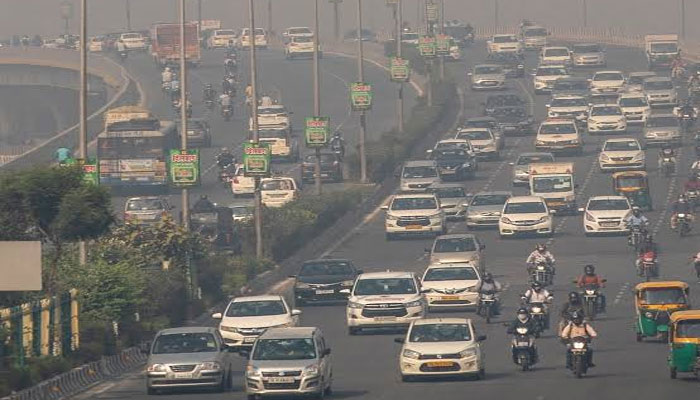
Delhi’s New Pollution Rules Take Effect From November 1: 5 Major Changes Affecting Commuters and Residents
Delhi has introduced a fresh set of pollution-control measures from November 1 to tackle the worsening air quality during the winter months. The restrictions, which will remain in place until January 31, 2027, cover vehicle movement, construction activities, office attendance and parking charges.
The new measures are aimed at reducing vehicular emissions, controlling construction dust and limiting unnecessary travel. To ensure strict implementation, authorities will deploy special enforcement teams, ANPR cameras and an AI-powered Integrated Command and Control Centre (ICCC). Violations will be tracked and penalised through electronic challans.
Here are five important changes that Delhi residents and daily commuters should be aware of:
1. Entry Ban On Older Vehicles Registered Outside Delhi
Vehicles registered outside the national capital that do not comply with BS-VI emission standards will be prohibited from entering Delhi between November 1 and January 31. The restriction will affect older vehicles travelling from neighbouring cities such as Noida, Gurugram, Faridabad and Ghaziabad. Electric and CNG vehicles, along with emergency service vehicles, including ambulances and fire tenders, are exempt.
2. Restrictions On Construction And Demolition Activities
To minimise dust pollution, dust-generating demolition and outdoor civil construction activities will remain suspended throughout the three-month period. Essential public infrastructure projects may receive conditional exemptions. Indoor finishing, plumbing and electrical work can continue, provided prescribed dust-control guidelines are followed.
3. Offices To Implement 50% Work-From-Home Policy
Both government and private offices have been directed to ensure that no more than 50 per cent of their employees work from office, while the remaining workforce operates remotely. Essential services are exempt from these restrictions. The move is intended to reduce daily vehicle movement, traffic congestion and pollution caused by commuting.
4. Staggered Office Hours And Double Parking Charges
Delhi has also introduced revised office schedules to distribute traffic more evenly throughout the day. Municipal Corporation of Delhi offices will operate from 8:30 am to 5 pm, while Delhi government offices will function between 10 am and 6:30 pm.
Additionally, parking charges at several public parking facilities will be doubled to discourage private vehicle usage. However, parking facilities operated and managed by the Delhi Metro Rail Corporation (DMRC) are excluded from the increased charges.
5. No Fuel Without A Valid PUC Certificate
The ‘No PUC, No Fuel’ policy will be enforced at petrol pumps across the capital from November 1. Approximately 500 fuel stations have been equipped with Automatic Number Plate Recognition (ANPR) cameras to identify vehicles and verify their pollution certification status.
Vehicles without a valid Pollution Under Control (PUC) certificate will be denied fuel, including petrol, diesel and CNG. The initiative is intended to encourage vehicle owners to keep their emission certificates updated and ensure better compliance with pollution-control standards.
Comments are closed.