
Can Rising AQI Impact Female Fertility? Experts Explain How Air Pollution May Affect Your Chances Of Getting Pregnant

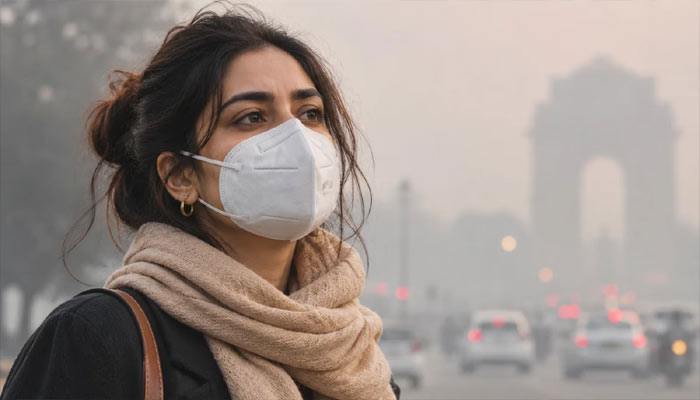
Can Air Pollution Affect Female Fertility? Experts Highlight Possible Risks Of Rising AQI
As air pollution levels continue to rise across several cities, concerns about its impact are extending beyond respiratory and cardiovascular health. Emerging research suggests that prolonged exposure to polluted air may also have implications for women’s reproductive health, potentially influencing ovarian function, hormonal activity and pregnancy outcomes.
Although scientists are still investigating the connection, studies have identified possible links between exposure to fine particulate matter and changes in fertility-related indicators. Experts, however, caution that the available evidence does not establish air pollution as a direct cause of infertility.
Dr Ruchi Shrivastava, Director – Obstetrics & Gynaecology and Advanced Gynaecological Laparoscopic Surgery at ShardaCare–Healthcity, says environmental pollution deserves attention as a potential reproductive health concern, particularly among women exposed to poor air quality over extended periods.
How Does Poor Air Quality Influence Female Reproductive Health?
One area attracting considerable scientific attention is ovarian reserve, which indicates the remaining egg supply in a woman’s ovaries. Researchers have investigated whether long-term exposure to pollutants such as PM2.5 and PM10 could influence ovarian function.
Some studies have reported an association between higher pollution exposure and reduced anti-Müllerian hormone (AMH) levels. AMH is commonly used as one of the indicators of ovarian reserve.
Dr Shrivastava explains that these findings should be interpreted carefully. AMH levels alone cannot determine whether a woman will be able to conceive, and fertility assessments must consider age, menstrual history and other reproductive health indicators.
Researchers are also examining whether environmental pollution could influence the time required to achieve pregnancy. Certain studies have observed longer conception periods and higher infertility rates among women living in areas with elevated pollution levels.
Could Air Pollution Affect IVF And Pregnancy Outcomes?
The possible effects of polluted air are also being studied in women undergoing assisted reproductive treatments, including in-vitro fertilisation (IVF).
Research from different countries has explored whether exposure to pollutants during important stages of fertility treatment could influence egg development, embryo implantation and successful pregnancy rates.
Some findings suggest that higher pollution exposure around egg retrieval and embryo transfer may be associated with less favourable reproductive outcomes. However, results differ across studies, and researchers have yet to establish a consistent causal relationship.
There are also concerns about possible associations between air pollution and pregnancy complications, including miscarriage, premature delivery and low birth weight.
Experts stress that these findings do not mean that women living in polluted cities will necessarily experience fertility problems or pregnancy complications.
What Happens Inside The Body When Pollution Levels Rise?
Air pollution contains a mixture of harmful substances, including fine particulate matter, toxic chemicals and heavy metals. Smaller particles can penetrate deep into the lungs, and some components may enter the bloodstream.
This exposure can trigger oxidative stress and inflammation. Oxidative stress develops when the body’s production of harmful free radicals exceeds its ability to neutralise them.
Scientists believe these biological processes could potentially affect egg health, ovarian activity and the environment in which an embryo develops.
Certain environmental chemicals may also interfere with the endocrine system, which regulates hormones involved in ovulation and menstrual cycles.
According to Dr Shrivastava, hormonal disruption and inflammation are among the possible mechanisms through which pollution could influence reproductive health. Researchers are also investigating whether these effects could aggravate existing metabolic and hormonal conditions, including polycystic ovary syndrome (PCOS).
Are Women In Their 30s At Greater Risk?
Age is already a major determinant of female fertility, as both the quantity and quality of eggs decline naturally over time.
Some research indicates that older reproductive-age women may be more susceptible to the combined effects of environmental exposure and age-related changes in ovarian function.
However, there is currently insufficient evidence to establish that women in a particular age group face a specific additional fertility risk from air pollution.
Dr Shrivastava emphasises that fertility is influenced by multiple factors, including age, hormonal health, ovulation, reproductive disorders and the health of both partners.
She also points out that occasional exposure to high AQI levels should not be viewed as a reason to assume that conception will become difficult.
Practical Ways To Protect Reproductive Health During High-Pollution Periods
Completely avoiding polluted air may not be possible, particularly for people living in cities that regularly experience poor air quality. However, reducing exposure can be a sensible precaution.
Women planning a pregnancy can consider the following measures:
- Follow daily AQI updates: Check local air quality before outdoor activities. Avoid strenuous outdoor exercise when pollution levels are high.
- Choose appropriate respiratory protection: Use a properly fitted N95 or equivalent respirator when exposure to heavy particulate pollution cannot be avoided.
- Improve indoor air quality: A suitably sized HEPA air purifier can help reduce airborne particles inside the home.
- Avoid indoor pollutants: Limit exposure to cigarette smoke, incense, candles and fumes from cooking without adequate ventilation.
- Maintain healthy dietary habits: Eat a balanced diet containing fruits, vegetables, whole grains and nuts to support general health.
- Follow preconception advice: Women planning pregnancy should discuss folic acid supplementation and other preventive measures with their healthcare provider.
These precautions may help reduce exposure but should not be considered treatments for fertility problems or a way to eliminate the reproductive effects of pollution.
When Should You Seek Medical Advice?
Difficulty conceiving should not automatically be attributed to environmental pollution. Several medical conditions can affect fertility and may require timely diagnosis and treatment.
Women below 35 years of age are generally advised to seek a fertility evaluation after 12 months of regular, unprotected intercourse without conception. For women aged 35 and above, an evaluation is usually recommended after six months. Those over 40 or with known reproductive health concerns may need earlier assessment.
A medical evaluation may involve checking ovulation, thyroid function, relevant hormone levels, ovarian reserve where appropriate, and the condition of the uterus and fallopian tubes. Assessment of male reproductive health is equally important.
Dr Shrivastava advises couples to approach fertility concerns through a comprehensive medical evaluation rather than focusing on air pollution as the sole explanation.
As research into environmental exposure and reproductive health continues, reducing contact with harmful pollutants remains a worthwhile step. However, maintaining overall health, seeking timely medical guidance and understanding individual fertility factors remain central to pregnancy planning.
Comments are closed.