

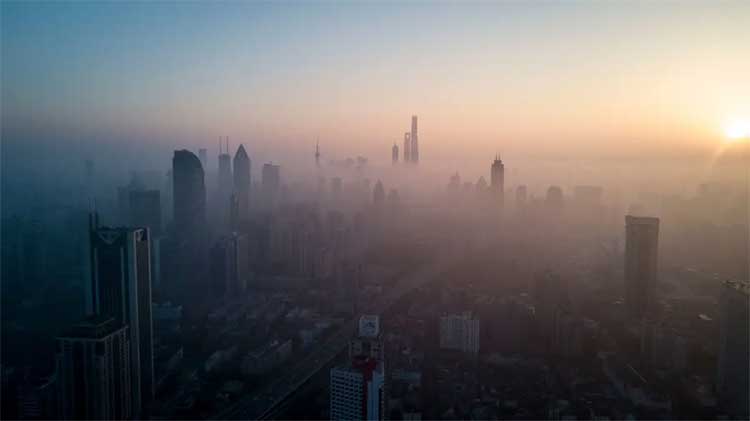
Air pollution remains one of the world’s deadliest environmental risks, and new research suggests United States could face a sharp rise in unhealthy air days by the end of the century as climate change worsens air quality.
Researchers estimate that by 2100, nearly 100 million Americans could regularly be exposed to unhealthy summer air — around seven times more than in 2000. The study suggests climate-driven changes in temperature, rainfall and wind patterns could intensify pollution levels and increase health risks, particularly for vulnerable groups.
Air pollution is already associated with higher risks of lung cancer, respiratory infections, heart disease and premature death. Sensitive populations, including children, older adults, pregnant people and those with existing health conditions, face greater dangers even in areas with relatively clean air.
Researchers also warn that the impact may be underestimated because factors such as worsening wildfire activity were not fully incorporated. Wildfire smoke has become a major contributor to dangerous fine-particle pollution, particularly in countries such as Canada.
The study suggests that stronger climate action and pollution-control policies could significantly reduce future health risks. Experts also point to long-term adaptation measures such as improved building ventilation, air filtration systems and wider access to clean indoor spaces to protect public health.
Comments are closed.