
Climate Crisis Deepens: Oceans Now in Acidification Danger Zone

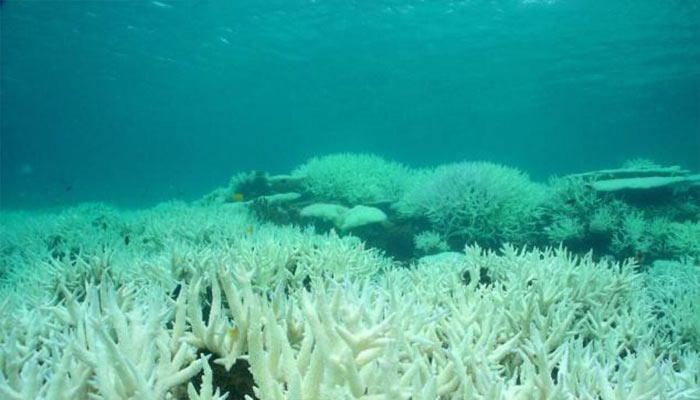
Earth’s Oceans May Have Crossed Acidification Danger Threshold in 2020, New Study Warns.
Earth’s oceans are in worse condition than previously believed, according to a new study that warns rising acidity levels may have pushed marine ecosystems into a “danger zone” as early as 2020. The findings, published on June 9, 2025, in the journal Global Change Biology, reveal that ocean acidification caused by industrial carbon emissions is more advanced than earlier estimates.
Ocean Acidification Driven by Carbon Emissions
Ocean acidification occurs when the oceans absorb excess carbon dioxide (CO₂) from the atmosphere, primarily emitted by the burning of fossil fuels. When CO₂ dissolves in seawater, it forms carbonic acid, which lowers the water’s pH and reduces carbonate ions — essential building blocks for marine organisms like corals, oysters, and shellfish.
This decline in pH and carbonate availability threatens the ability of these species to maintain their shells and skeletons, putting entire marine food chains and ecosystems at risk.
Entering the Danger Zone
The study suggests that by 2020, Earth’s oceans may have crossed a critical threshold of acidity — entering what scientists term the “danger zone” of oceanic health. This shift marks a breach of the so-called planetary boundary for ocean acidification, a safe operating space for humanity based on Earth’s natural systems.
The researchers estimate that the saturation of aragonite (a key form of calcium carbonate used by marine organisms) has declined by more than 19% from pre-industrial levels — a worrying benchmark that signals the worsening condition of ocean chemistry.
A Ticking Environmental and Economic Time Bomb
The consequences of increased acidification are not limited to marine biodiversity. Coastal communities that depend on healthy oceans for food, fishing, and tourism face growing threats to their livelihoods. Coral reefs — already under pressure from warming waters — are doubly endangered by acidification, affecting both marine life and local economies.
“This is a ticking time bomb,” said one of the researchers. “If we allow these trends to continue, we’re not just risking coral and shellfish — we’re risking the livelihoods and food security of millions of people worldwide.”
Call to Action
The study underscores the urgent need to reduce global CO₂ emissions to prevent further harm. Experts stress that while the oceans have acted as a buffer against the worst effects of climate change by absorbing CO₂, they are now showing signs of systemic stress.
The findings serve as a stark reminder that climate mitigation efforts must extend beyond land — and include the vast, fragile ecosystems of our oceans.
Comments are closed.