
Costa Rica’s Rebeca Grynspan Leads Race for UN Secretary-General as Selection Enters Crucial Phase

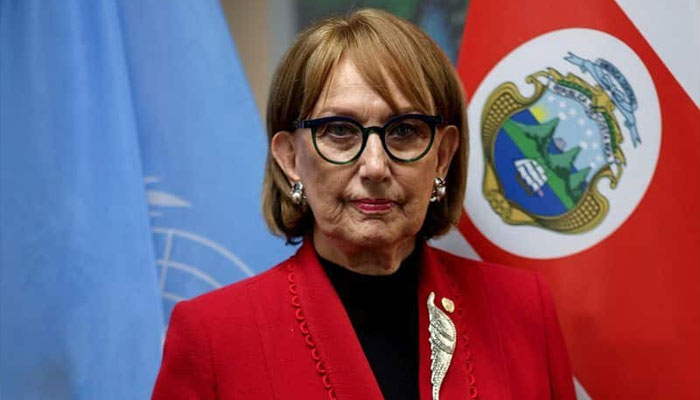
Rebeca Grynspan Leads UN Secretary-General Race, but Security Council Remains Divided
Former Costa Rican Vice President Rebeca Grynspan has emerged as the leading candidate to become the United Nations’ 10th secretary-general, following an informal Security Council poll on Friday. However, the latest voting round failed to produce a clear favourite acceptable to all five permanent members, leaving the contest open to fresh candidates.
Two people familiar with the process said Grynspan secured the highest number of supporting votes in the latest ballot. Diplomats and observers noted that every candidate received at least two opposing votes from the council’s permanent members — Russia, China, the United States, France and the United Kingdom — whose objections could prove decisive in the selection process.
The next secretary-general will take charge of an organisation facing multiple international conflicts, declining financial contributions from the United States and questions over its political influence. Washington’s withdrawal from dozens of UN agencies has added to the challenges confronting the 193-member organisation.
Friday’s vote was the sixth informal ballot conducted by Security Council officials as members work to identify a successor to Antonio Guterres, whose term ends on December 31.
Grynspan Maintains Narrow Lead
Grynspan received nine “encourage” votes, five “discourage” votes and one “no opinion” response, according to people familiar with the process. Two of the five opposing votes came from permanent members of the Security Council.
Guyana’s UN ambassador, Carolyn Rodrigues-Birkett, secured eight supporting votes, six opposing votes and one “no opinion” response. Her tally included two opposing votes from permanent members.
International Atomic Energy Agency Director General Rafael Grossi recorded a similar result to Rodrigues-Birkett, although one fewer permanent member supported his candidacy.
Four other former UN officials and senior diplomats are also seeking the position. However, their latest results showed more opposition than support, suggesting that they face difficulties in building sufficient backing.
Grynspan, 70, has led four of the five informal polls conducted in recent months. Rodrigues-Birkett topped the August ballot, demonstrating that support for the leading candidates has fluctuated during the selection process.
Permanent Members Hold the Key
The selection process requires a candidate to obtain at least nine affirmative votes from the 15-member Security Council and avoid opposition from any of its five permanent members.
Friday’s ballot introduced a significant procedural change, using colour-coded voting papers to distinguish the positions of the permanent members. This provided a clearer indication of whether a candidate faced opposition from a country capable of blocking the recommendation.
Although Grynspan remains ahead in the overall count, the absence of a candidate acceptable to all five permanent members has complicated the race.
Diplomats say several senior political figures, including current and former foreign ministers and national leaders, are considering entering the contest. New candidates could reshape the competition, although they would have limited time to secure support from a divided council.
Following the vote, US Ambassador to the UN Mike Waltz said countries remained free to nominate additional candidates.
“Countries, if they want to put more candidates in, that’s certainly within their sovereign rights,” he said.
The selection process has previously required several rounds of informal voting. When Guterres was chosen in October 2016, the Security Council conducted six straw polls before reaching an agreement.
Grynspan Says Contest Is Far From Over
In an interview with Reuters on Thursday, Grynspan said she would not be surprised if a permanent member opposed her candidacy. She argued that such opposition would not necessarily end her chances, as candidates in previous selection processes had overcome initial resistance through negotiations.
“The game is not over — we will have to continue working,” she said.
Grynspan, an economist who previously served as Costa Rica’s vice president, has also outlined her priorities for reforming the United Nations. She believes the organisation has become excessively risk-averse and that its next leader must be willing to accept the possibility of diplomatic setbacks while continuing to pursue solutions.
She has called for a reduction in senior positions, less bureaucracy and better coordination among UN agencies to prevent overlapping responsibilities.
According to Grynspan, reducing expenditure alone will not restore the organisation’s influence. The UN must also address the broader challenges posed by declining resources and diminishing political relevance.
Historic Opportunity for a Female UN Chief
The selection comes amid renewed attention to the possibility of the United Nations appointing its first female secretary-general. In more than eight decades since the organisation was established, no woman has held the position.
Grynspan’s candidacy places her among the leading contenders in a closely contested race, but her overall support does not yet guarantee the backing required from the Security Council.
With Guterres due to leave office at the end of December, council members face mounting pressure to reach a consensus. The coming weeks will be crucial in determining whether Grynspan can overcome opposition from permanent members or whether a new candidate will emerge as a compromise choice.
For now, the latest ballot has strengthened Grynspan’s position without resolving the central question: whether any contender can secure the support needed from all five permanent members.
Comments are closed.