
Delhi Cracks Down on Polluting Vehicles: ₹68.4 Lakh in Fines, 1,500 Vehicles Turned Away

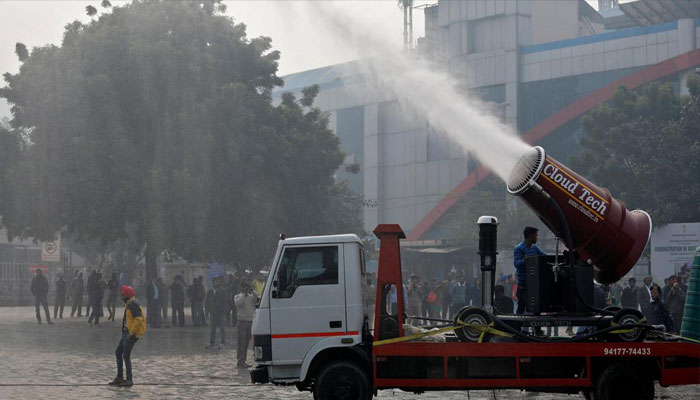
Delhi Imposes ₹68.4 Lakh in Penalties as Anti-Pollution Drive Begins, 1,539 Vehicles Turned Back
Delhi’s winter anti-pollution enforcement drive began with authorities imposing penalties and environmental compensation totalling ₹68.4 lakh on Sunday. Teams inspected nearly 15,000 vehicles, turned back 1,539 at border checkpoints and issued 566 challans for violations related to Pollution Under Control Certificate (PUCC) requirements.
According to official figures available until 5 pm, ₹56.6 lakh was collected in penalties for PUCC violations, while ₹2 lakh was imposed for breaches of vehicle entry restrictions. Another ₹9.8 lakh was levied as environmental compensation against construction and demolition sites found violating dust-control norms, PTI reported.
Nearly 15,000 Vehicles Checked at Delhi Borders
The Delhi Traffic Police and Transport Department inspected 14,930 vehicles under restrictions on non-Delhi vehicles below BS-VI emission standards. Around 10.31 per cent of the vehicles were turned back. Officials also issued 127 challans and impounded 62 vehicles, imposing fines worth ₹2 lakh.
Among the vehicles denied entry were 140 light motor vehicles, 54 light commercial vehicles, 95 heavy goods vehicles and 34 buses. Of the 1,423 two-wheelers, three-wheelers and other vehicles checked, 789 were turned back and 38 impounded.
Authorities also checked 7,279 vehicles that were not destined for Delhi, turning back 314 of them. No challans were issued in this category. Meanwhile, 740 CNG vehicles, electric vehicles and vehicles engaged in essential services were allowed to enter under the exemptions.
PUCC Violations Lead to ₹56.6 Lakh in Fines
Vehicles operating without valid PUCC certificates accounted for the largest share of penalties. Enforcement teams issued 566 challans, imposing fines worth ₹56.6 lakh.
The Delhi Traffic Police issued 493 challans and collected ₹49.3 lakh in penalties. The Transport Department issued another 73 challans, amounting to ₹7.3 lakh.
32 Construction Sites Found Violating Dust Norms
Authorities inspected 300 construction and demolition sites as part of the campaign against dust pollution. Of these, 32 were found violating prescribed dust-control rules, attracting environmental compensation of ₹9.8 lakh.
Among the 91 large sites with plot areas exceeding 500 square metres, 16 were found violating the norms. Officials issued two closure directions and four show-cause notices, besides imposing ₹4 lakh in compensation.
Of the 209 smaller sites inspected, 17 were found violating dust-control requirements. Authorities issued 15 closure directions and 15 show-cause notices, imposing ₹5.8 lakh in compensation.
Across all inspected sites, 17 closure directions and 19 show-cause notices were issued. No violations were reported at exempted infrastructure projects.
Environment Minister Manjinder Singh Sirsa said enforcement teams were monitoring vehicle entry restrictions, PUCC compliance and dust-control measures.
In a post on X, he said 14,930 vehicles had been checked, 566 PUC challans issued and 300 construction sites inspected. He urged residents to keep their pollution certificates valid and follow vehicle entry and dust-control rules, stressing the need for collective efforts to improve air quality.
Winter Restrictions to Continue Until February 28
Delhi’s Winter Action Plan restrictions will remain in force for different periods between November 1 and February 28 to curb pollution.
Non-Delhi vehicles below BS-VI standards will be barred from entering the national capital until January 31. Dust-generating demolition and outdoor civil construction activities have also been prohibited, except for specified essential public infrastructure projects.
A broader ban on construction and demolition activities, with certain exemptions, will be in effect from December 10 to January 20.
The measures also include doubled parking fees at authorised parking facilities across Delhi until February 28. Government and private offices have been directed to limit physical attendance to 50 per cent from November 1 to January 31, with the remaining employees working from home. Essential and emergency services are exempt from this arrangement.
Comments are closed.