
Dengue Can Strike Twice: Why a Second Infection May Be More Severe, Doctor Explains

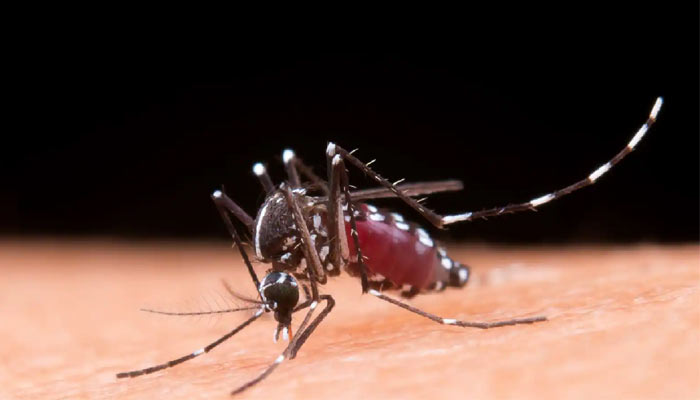
Dengue Can Strike More Than Once: Why a Second Infection May Be More Severe
Recovering from dengue does not guarantee lifelong protection. The virus has four distinct serotypes—DENV-1, DENV-2, DENV-3 and DENV-4—and infection with one generally provides long-term immunity only against that particular type. A person can therefore contract dengue again after being infected with a different serotype.
Dengue is spread by infected Aedes mosquitoes, which typically bite during the daytime. These mosquitoes can breed in stagnant water found around homes and communities. Eliminating breeding sites, avoiding mosquito bites and seeking medical attention promptly when symptoms develop are important steps in preventing complications.
Why Can You Get Dengue More Than Once?
“Dengue is not necessarily a one-time illness. Having dengue once does not mean a person is protected from getting it again. A person can get dengue up to four times in their lifetime,” explains Dr Sandeep Budhiraja, Group Chairman, Internal Medicine & Group Medical Director, Max Healthcare, Delhi.
The reason is that dengue has four different serotypes. While infection with one serotype generally provides lifelong immunity against that specific type, it does not offer the same lasting protection against the other three. As a result, a person who has recovered from dengue can become infected again with another serotype.
Why Can a Second Infection Be More Severe?
A subsequent dengue infection caused by a different serotype can carry a higher risk of severe disease. The World Health Organization has noted an association between sequential infections with different dengue serotypes and an increased risk of severe dengue.
One explanation is a phenomenon known as antibody-dependent enhancement (ADE). During the first infection, the immune system produces antibodies targeting that particular serotype. If a different serotype infects the person later, some of those existing antibodies may attach to the new virus without effectively neutralising it.
This interaction may help the virus enter certain immune cells, potentially increasing viral replication and contributing to a more severe immune response and disease.
“This is why a previous dengue infection should not create a false sense of protection. In fact, it makes continued prevention particularly important,” Dr Budhiraja says.
World Mosquito Day: Why Prevention Remains Important
World Mosquito Day, observed on August 20, highlights the health risks associated with mosquito-borne diseases and the importance of mosquito control.
Since there is no specific antiviral treatment routinely used to cure dengue, preventing mosquito bites and recognising warning signs early remain important. People can reduce their risk by removing stagnant water, keeping water-storage containers covered, using mosquito repellents and wearing clothing that covers the arms and legs.
Using mosquito nets can also help, particularly when resting during the day. Dengue vaccination may be recommended for certain populations and settings depending on local public-health guidance and current recommendations.
Even after recovering from dengue, maintaining these precautions is important because a previous infection does not provide complete protection against future infections.
Comments are closed.