
Former WHO Scientist Warns Climate Change May Spark New Pandemics

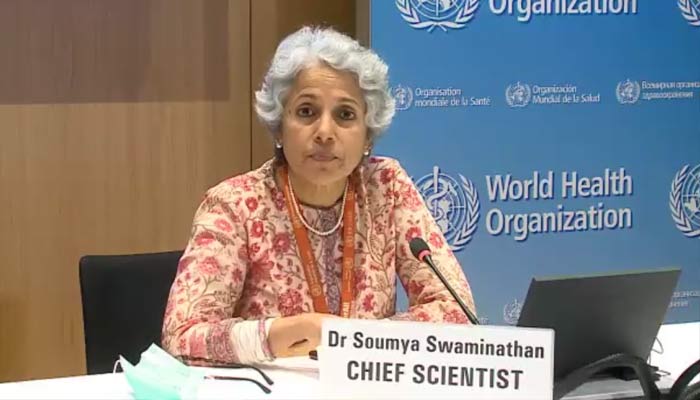
Climate Change Could Trigger New Pandemics, Warns Former WHO Chief Scientist Soumya Swaminathan.
As the world continues to grapple with the long-term impacts of COVID-19, climate change may fuel the emergence of new viruses and future pandemics, former WHO chief scientist Soumya Swaminathan warned during a lecture in Hyderabad on Wednesday.
Swaminathan highlighted that rising temperatures, extreme weather events, and rapid biodiversity loss increase the likelihood of viruses jumping from animals to humans.
Unanswered Questions About COVID-19 Origins
Addressing the ongoing debate over the origins of COVID-19, Swaminathan noted that crucial data from the Wuhan laboratory is still unavailable.
“We did not receive the data from the Wuhan lab needed to draw a definite conclusion. But the hypothesis that the virus was deliberately manufactured and released has very little scientific basis,” she said. She added that SARS-CoV-2 likely jumped to humans via an intermediate animal host.
How Climate Change Alters Virus Behavior
Swaminathan pointed to evidence that climate change is affecting how viruses mutate and spread. Environmental stress and warmer temperatures make it easier for pathogens to cross species barriers.
Citing the H1N1 influenza virus, she noted that it has increasingly jumped from birds to mammals, and in some cases, humans—a trend that raises the risk of future outbreaks.
Biodiversity Loss Heightens Risk
She warned that biodiversity loss is compounding the problem. Nearly one million species are at risk of extinction, destabilizing ecosystems and increasing human exposure to new pathogens. Global temperatures have already surpassed 1.5°C above pre-industrial levels and could rise further if current trends continue.
Extreme Weather and Public Health
Climate-driven disasters—heatwaves, floods, droughts, landslides, and cyclones—are becoming more frequent, worsening health outcomes and driving migration. “Mitigation and adaptation are both critical,” she said.
Policy Solutions Are Available
During the 13th Dr. Manohar V. N. Shirodkar Memorial Lecture, Swaminathan emphasized that strong public policy can address health and climate challenges.
“We are already experiencing the health impacts of heat and air pollution. Thankfully, solutions exist. China has done it, and so has London,” she said, citing renewable energy, improved public transport, waste management, diversified agriculture, and energy-efficient buildings as examples. She stressed that human activity remains the primary driver of climate change.
Global Cooperation Is Key
Swaminathan drew parallels between pandemics and climate change, noting that both transcend national borders. She urged international cooperation and the sharing of scientific knowledge as essential to tackling future health and climate crises.
“They do not respect borders,” she said, highlighting the urgent need for global collaboration despite political differences.
Comments are closed.