
Trump scraps Pakistan trip for Iran talks, says no more “18-hour flights”

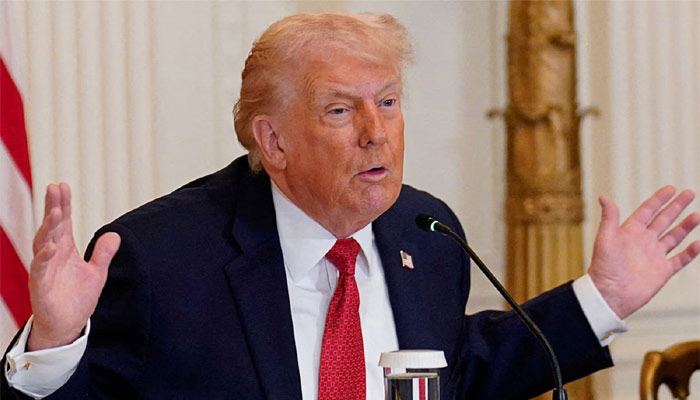
Donald Trump has cancelled a planned visit by American envoys to Islamabad, effectively derailing the second round of peace talks with Iran. The decision signals a sharp escalation in rhetoric, with Washington indicating it sees little value in continued in-person negotiations at this stage.
Speaking to Fox News, Trump dismissed the need for long-distance diplomacy, arguing that the United States holds a dominant position. “They can call us anytime they want,” he said, adding that an 18-hour journey was unnecessary for discussions he believes are going nowhere.
In a post on Truth Social, Trump further criticised Tehran’s leadership, claiming there is internal confusion and a lack of clear authority. He also reiterated that the US would not pursue further travel-heavy diplomatic efforts unless Iran shows readiness for meaningful engagement.
The cancelled trip would have seen US negotiators, including Steve Witkoff and Jared Kushner, travel to Pakistan for talks mediated by Islamabad. The development came shortly after Iranian Foreign Minister Abbas Araghchi met Pakistan’s leadership, including Prime Minister Shehbaz Sharif and Army Chief Asim Munir.
Tehran has maintained that it will not accept what it calls “maximalist demands” from Washington and remains wary of US intentions, citing past negotiations over its nuclear programme that were followed by military escalation involving the US and Israel.
While an indefinite ceasefire is currently in place, tensions remain high. Disruptions around the Strait of Hormuz have triggered concerns over global energy supplies, affecting shipments of oil, natural gas, and fertilisers.
Iran has insisted that any future talks would be indirect, with Pakistan acting as a mediator. The first round of negotiations earlier this month—led by US Vice President JD Vance—lasted nearly 20 hours but failed to produce a breakthrough, despite being the highest-level direct engagement between the two sides since the 1979 Islamic Revolution.
With both sides holding firm positions and diplomatic channels narrowing, prospects for a near-term resolution appear increasingly uncertain.
Comments are closed.