
G7 Holds Back on Oil Reserve Release, Requests IEA to Explore Market Options

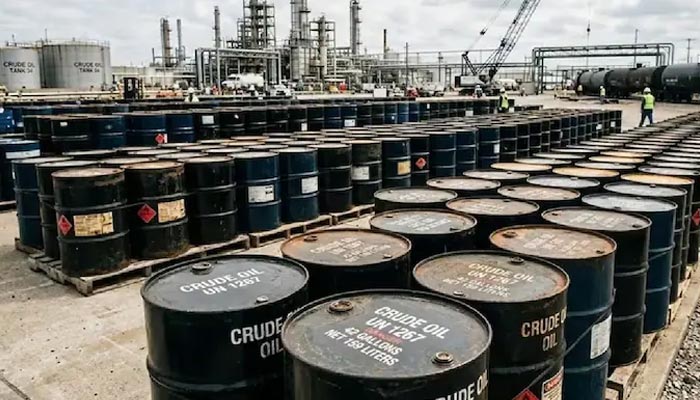
G7 Energy Ministers Hold Off on Oil Reserve Release, Ask IEA for Market Assessment
Energy ministers from the G7 countries on Tuesday stopped short of authorizing a release of strategic oil reserves, instead asking the International Energy Agency (IEA) to conduct an in-depth assessment of global oil markets before taking action.
The IEA said it would convene an extraordinary meeting of its member states to explore potential scenarios and options for stabilizing supply. “Everyone is willing to take measures to stabilise the market, including the United States,” French Finance Minister Roland Lescure said after the G7 discussion. “We have asked the IEA to elaborate scenarios for a potential oil stock release. We need to be ready to act at any moment.”
Oil prices, which had surged to a more than three-year high in the previous session, fell 7% on Tuesday following US President Donald Trump’s remarks suggesting the Middle East conflict could end soon, easing concerns about prolonged supply disruptions.
Later Tuesday, European leaders will hold a call with German Chancellor Friedrich Merz, Italian Prime Minister Giorgia Meloni, and Belgian Prime Minister Bart De Wever to discuss competitiveness and energy prices. European governments remain wary of a repeat of the 2022 energy crisis, when prices soared after Russia’s invasion of Ukraine, forcing some industries to halt operations.
Europe’s Vulnerability
Even before the Iran crisis, energy costs in Europe were higher than in the US or China. European Commission President Ursula von der Leyen is set to propose measures at next week’s EU summit to address this politically sensitive issue. “For fossil fuels we are completely dependent on expensive and volatile imports, putting us at a structural disadvantage to other regions. The current Middle East crisis is a stark reminder of these vulnerabilities,” she said, adding that Europe’s reduction in nuclear energy had worsened the situation.
The EU imports over 90% of its oil and around 80% of its gas. The G7 includes the United States, Canada, Japan, Italy, Britain, Germany, and France.
Comments are closed.