
Global Climate Change Intensifies: Extreme Weather, Rising Seas Put Pressure on Nations

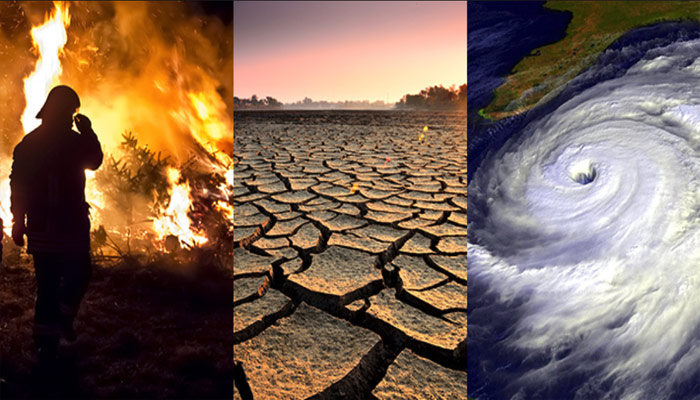
Climate change continues to reshape economies, ecosystems, and daily life across the globe, with 2025 already marked by a surge in record-breaking heatwaves, floods, and wildfires.
Scientists and policymakers are warning that the pace of climate disruptions is accelerating, putting additional pressure on governments to deliver on global climate pledges.
Extreme Weather on the Rise
This year has seen unprecedented weather extremes:
Europe and Asia have experienced prolonged heatwaves, pushing temperatures beyond 45°C in parts of the Mediterranean and South Asia.
The United States has faced record wildfires in California and Arizona, while Hurricane season in the Atlantic has intensified earlier than usual.
South America has endured both severe flooding in Brazil and historic drought in Chile and Argentina, disrupting agriculture and water supplies.
The World Meteorological Organization (WMO) has confirmed that the last decade remains the hottest on record, with global average temperatures about 1.3°C higher than pre-industrial levels, edging closer to the 1.5°C threshold set under the Paris Agreement.
Rising Seas and Melting Ice
Glacier melt in Greenland and Antarctica is contributing to faster sea-level rise, now averaging 4.5 mm per year, according to the latest UN climate report. Coastal communities from Bangladesh to Florida are facing increased flooding risks, forcing governments to consider costly adaptation measures such as sea walls, flood barriers, and managed retreat.
Economic and Human Toll
The economic impact of climate-linked disasters is soaring. The insurance industry estimates global losses at over $250 billion in 2024 alone, with agriculture, energy, and infrastructure hit hardest. Beyond economics, displacement due to extreme weather is accelerating — with more than 40 million people worldwide now considered climate migrants.
Global Response and Challenges
While renewable energy investment hit a record $1.4 trillion in 2024, emissions are still not falling fast enough to meet Paris Agreement targets. Nations are divided on issues such as phasing out fossil fuels, financing adaptation in vulnerable countries, and investing in carbon capture technologies.
At the same time, public pressure is growing. Youth movements, indigenous communities, and environmental groups continue to demand stronger action, while courts in several countries — including the Netherlands and Colombia — have ruled that governments must protect citizens’ rights against the impacts of climate change.
The Road Ahead
Experts say the coming decade is critical. If global emissions do not peak before 2030, scientists warn that limiting warming to 1.5°C will become virtually impossible. This means sharper policy decisions, accelerated clean energy adoption, and unprecedented cooperation between developed and developing nations will be required.
As the UN prepares for the next COP climate summit later this year, the world is at a crossroads: whether to step up collective action or face increasingly severe and irreversible consequences.
Comments are closed.