
Govt Moves to Contain IndiGo Chaos, Fixes ₹7,500 Ceiling on Flights Under 500 km

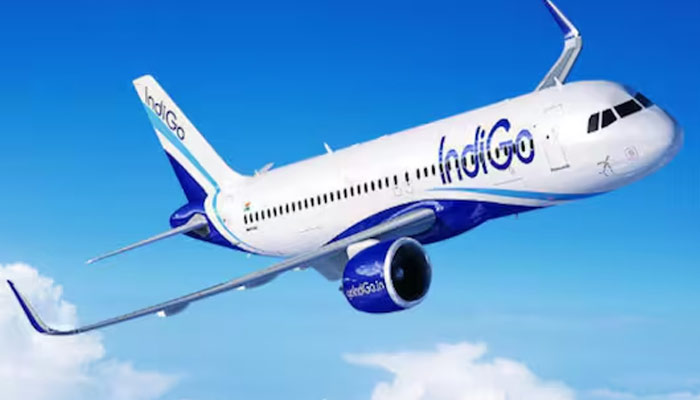
CENTRE ORDERS STRICT FARE CAPS AS INDIGO CRISIS SENDS AIR TICKET PRICES SOARING
In its strongest intervention yet, the Centre on Saturday directed all airlines to immediately comply with newly mandated fare ceilings — from ₹7,500 on the shortest routes to ₹18,000 on the longest — after domestic airfares rocketed to unprecedented levels amid widespread flight disruptions triggered by the IndiGo crisis.
Calling the caps essential to prevent “opportunistic pricing,” the Civil Aviation Ministry warned that any breach of the prescribed limits would invite swift punitive action.
Nationwide Caps Announced
Under the emergency order, economy-class fares on all domestic flights must adhere to the following slabs:
- Up to 500 km: ₹7,500
- 500–1000 km: ₹12,000
- 1000–1500 km: ₹15,000
- Above 1500 km: ₹18,000
These ceilings exclude UDF, PSF and taxes. Business-class fares and RCS-UDAN flights remain outside the cap.
The directive applies across all booking channels — airline websites, apps, OTAs and travel portals. Airlines have also been instructed to make seats available across all fare buckets and ramp up capacity on routes experiencing abnormal demand.
The caps will remain in force until prices stabilise or a fresh review is undertaken.
Fare Explosion Amid IndiGo Turmoil
The emergency measures come after airfares spiralled dramatically this week as IndiGo — India’s largest carrier — cancelled more than 1,000 flights over several days while grappling with roster disruptions linked to the new Flight Duty Time Limitation (FDTL) norms.
Friday saw the worst impact, with nearly 1,000 IndiGo flights scrapped. As cancellations mounted, fares on key metro routes tripled and even quadrupled.
- Delhi–Mumbai non-stop fares touched ₹65,460
- One-stop Delhi–Mumbai ranged between ₹38,376–₹48,972
- Kolkata–Mumbai one-stop soared to ₹90,000
- Bengaluru–Delhi climbed to ₹88,000
With air travel crippled, the government also activated additional trains to ease passenger movement.
The ministry reiterated that its priority is to enforce pricing discipline and prevent exploitation. “Any deviation from the prescribed norms will attract immediate corrective action,” it said.
Air India Says It Already Implemented Caps
Amid scrutiny of high fares, Air India clarified that it had proactively capped economy-class fares on all its non-stop domestic flights from December 4 — even before the Centre’s order — to prevent automated pricing systems from spiking fares during sudden demand surges.
The airline said that viral screenshots of exorbitant last-minute fares mainly reflected one-stop and two-stop itineraries or mixed-cabin combinations, adding that technical limitations make universal capping harder. It is now working with third-party platforms to strengthen oversight.
Both Air India and Air India Express are also adding capacity and prioritising faster passenger and baggage movement.
IndiGo Operations Begin to Stabilise
A day after the government temporarily relaxed FDTL norms for IndiGo, early signs of stabilisation were visible. Around 500 IndiGo flights were cancelled on Saturday, significantly lower than the previous day, and airport scenes were comparatively calmer.
The crisis has also reached the Supreme Court, where a petition has been filed seeking intervention over passenger losses resulting from mass cancellations.
Comments are closed.