
Grand Mufti of India Claims Key Role in Saving Kerala Nurse from Death Sentence in Yemen

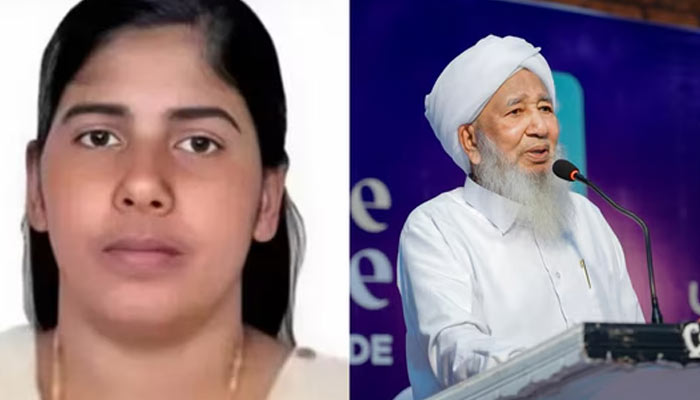
Indian Cleric Claims Key Role in Delaying Execution of Kerala Nurse in Yemen.
Sheikh Abubakr Ahmad, the Grand Mufti of India, has claimed to have played a critical role in delaying the execution of Nimisha Priya, a Kerala-born nurse on death row in Yemen. Priya, convicted of killing a Yemeni national in 2017, was facing imminent execution in the capital Sana’a.
According to the Grand Mufti’s office, Sheikh Abubakr personally reached out to renowned Yemeni scholar Sheikh Umar bin Hafiz, urging his intervention with the victim’s family. Following this outreach, students of Sheikh Umar reportedly engaged in direct negotiations, resulting in a four-hour postponement of the execution — providing Priya’s legal team crucial time to pursue a resolution.
Who is the Grand Mufti?
In India, the title of Grand Mufti holds religious significance but lacks formal state recognition. Sheikh Abubakr Ahmad, also known as Kanthapuram A.P. Aboobacker Musliyar, was conferred the title in 2019 by the All India Tanzeem Ulama-e-Islam. He is regarded as a leading voice within the Sunni Barelvi Muslim community and has been a long-standing religious figure in Kerala.
A prolific scholar, he heads Markaz Knowledge City in Kozhikode — an education hub that includes institutions for law, medicine, and Islamic studies. He also holds influence in international Islamic circles, frequently participating in conferences across the Middle East and Southeast Asia.
His Role in the Yemen Case
The Grand Mufti’s intervention in Priya’s case is significant as her supporters attempt to negotiate a “blood money” settlement — a provision in Yemeni law that allows a death sentence to be waived if the victim’s family agrees. His clerical outreach, though unofficial, may open diplomatic and humanitarian channels in a case complicated by the absence of formal India–Yemen relations.
However, the situation remains delicate. Priya’s family and legal representatives are racing against time to raise the compensation amount demanded by the victim’s kin — reportedly over ₹2 crore — to halt the execution permanently.
A Figure of Controversy and Influence
While Sheikh Abubakr commands respect among many in the Barelvi community, he has also drawn criticism for his conservative views. During the nationwide anti-CAA protests in 2019–20, he controversially stated that women should not participate in public demonstrations, remarks that were criticised as regressive by activists.
Nonetheless, in the case of Nimisha Priya, his standing within the global Islamic community may yet prove instrumental in saving her life.
Comments are closed.