
‘History Will Record Unfairness’: Justice Yashwant Varma questions probe panel evidence

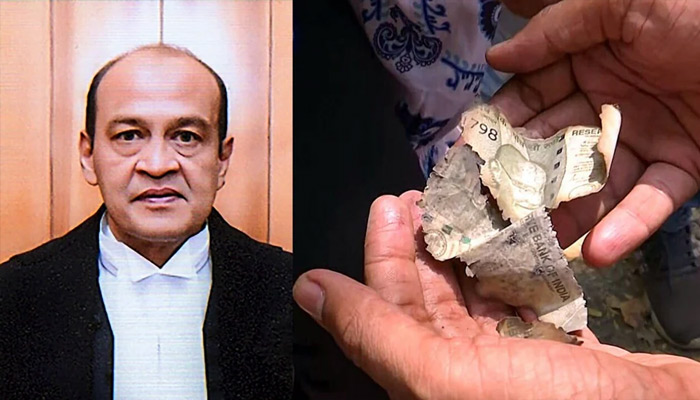
Justice Yashwant Varma questions probe process, flags “unfairness” in letter to panel.
In a strongly worded letter to a Lok Sabha-appointed inquiry panel, Yashwant Varma has alleged that proceedings against him were marked by “unfairness” from the outset, asserting that history would judge the manner in which a sitting constitutional court judge was treated.
Dated April 9, the letter coincided with his resignation submitted to Droupadi Murmu, bringing an end to the parliamentary probe into allegations linked to the discovery of unaccounted cash at his official Delhi residence following a fire in March 2025.
Claims of procedural lapses
In his 13-page communication, Justice Varma argued that the inquiry suffered from procedural lapses, lack of credible evidence and what he described as a “predetermined” approach.
The panel — comprising Supreme Court judge Aravind Kumar, Bombay High Court Chief Justice Shree Chandrashekhar and senior advocate BV Acharya — had, he claimed, reached conclusions in advance, leading to his public “vilification” before he could present a defence.
Questions over evidence
Justice Varma also raised concerns over the reliability of evidence, particularly video recordings purportedly showing cash at his residence.
He argued that the recordings were made without his knowledge and lacked proper authentication, while also questioning the chain of custody of the material. According to him, the evidence did not meet the standards required to establish credibility or directly link him to the cash.
‘Denied fair opportunity’
The judge maintained that he was denied a meaningful opportunity to defend himself, with key safeguards either diluted or ignored during the process.
He further criticised what he termed a “sensational narrative” in the public domain, saying the circulation of videos had undermined the presumption of innocence and caused reputational damage.
Resignation and closing remarks
Reiterating his denial of any connection to the cash, Justice Varma said he chose to step down with “deepest sadness”.
He concluded that he hoped “history will one day record the unfairness” that, in his view, had marked the entire episode from the beginning.
Comments are closed.