
How Sperm Health Shifts From 25 to 45 — And What Stays the Same

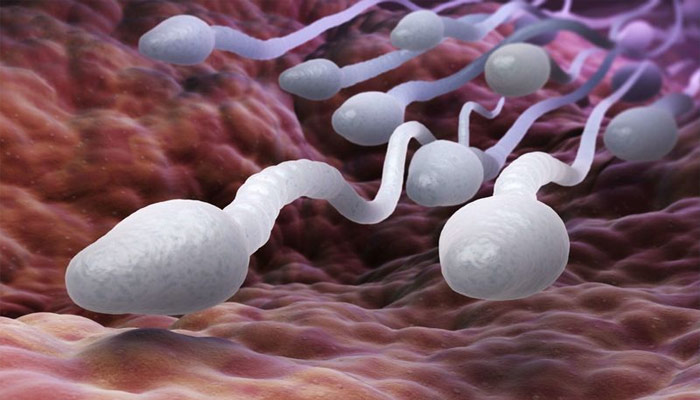
How Sperm Health Changes From 25 to 45 — and Why It Matters.
“Sperm health doesn’t stay constant with age,” says Dr. Karishma Makhija, Fertility Specialist at Birla Fertility & IVF, Rohini. “Men continue producing sperm throughout life, but its quality gradually declines over time.”
At 25, sperm is typically strong, fast-moving, and genetically stable. By 45, though, subtle changes begin to show. “The count may still appear normal,” explains Dr. Makhija, “but motility and shape often decline, and DNA damage inside sperm cells becomes more common.”
What Research Tells Us
Scientific studies confirm these age-related shifts. A 2020 paper in Fertility and Sterility found sperm motility can drop by 25–30% between ages 30 and 50. Another study in Human Reproduction observed a steady rise in DNA fragmentation after 40 — a factor that can affect embryo quality and pregnancy success.
“We see this pattern clearly in clinics,” Dr. Makhija notes. “Even when sperm counts look fine, their functional quality — how effectively they move or fertilize an egg — often decreases after 40.”
Can Men Still Have Children Later in Life?
Absolutely — but it might take longer. Many men in their 40s and 50s still conceive naturally or with fertility support. However, the risk of genetic or chromosomal abnormalities can slightly increase with age.
“We’re seeing more older fathers today,” says Dr. Makhija. “Better health awareness and access to fertility care make a difference. The key is understanding your fertility status early, instead of assuming everything’s okay.”
Some studies have linked advanced paternal age to a higher risk of developmental disorders in children — though this is a possibility, not a certainty. “Every individual’s genetics and lifestyle matter,” she emphasizes.
Lifestyle: The Real Game-Changer
“Age is one piece of the puzzle — lifestyle is another big one,” stresses Dr. Makhija.
Smoking, heavy drinking, obesity, poor diet, long work hours, and stress can all hurt sperm quality. Meanwhile, regular exercise, balanced nutrition, and good sleep can preserve fertility for years longer.
“It’s amazing how much improvement we see when men make simple changes,” says Dr. Makhija. “Better sleep and cutting back on alcohol can visibly improve sperm health in just a few months.”
When to Get Checked
If you’re planning for fatherhood later in life or struggling to conceive, start with a basic semen analysis.
“This one simple test gives us valuable insight into sperm count, motility, and shape,” explains Dr. Makhija. “It helps us identify what can be improved through lifestyle or medical support.”
Early assessment allows time to make small adjustments that can make a big difference.
“Age does affect sperm health,” concludes Dr. Makhija, “but it’s not the only thing. Your overall health shows up directly in your sperm — take care of your body early, and it’ll take care of you later.”
Comments are closed.