
ICC Specifies Powerplay Overs for Shortened T20 Matches Following Test Rule Revisions

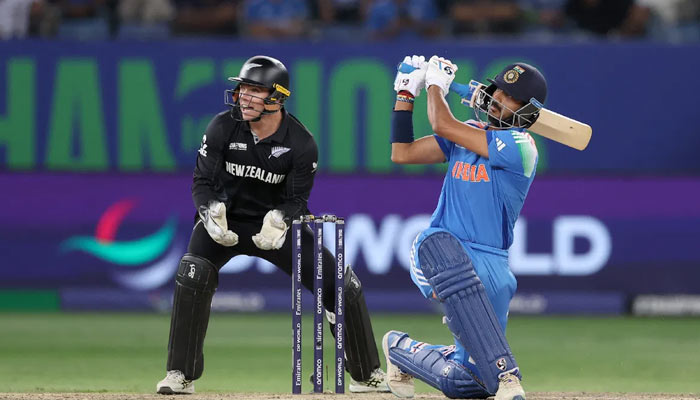
ICC Updates Powerplay Rules for Shortened T20Is, Introduces Stop Clock in Tests.
The International Cricket Council (ICC) has introduced new Playing Conditions for T20 internationals that define precise powerplay durations for matches shortened due to weather or other interruptions. The changes will take effect from July and are designed to bring greater consistency and fairness to games with reduced overs.
Under the revised rules, fielding restrictions will now follow a detailed breakdown rather than being rounded off. For example, an eight-over innings will feature exactly 2.2 overs of powerplay, during which only two fielders are permitted outside the 30-yard circle. Previously, truncated matches typically applied simplified estimates such as three overs for an eight-over innings.
The ICC’s updated chart outlines powerplay durations for shortened innings as follows:
5 overs: 1.3 overs of powerplay
6 overs: 1.5 overs
7 overs: 2.1 overs
8 overs: 2.2 overs
9 overs: 2.4 overs
10 overs: 3.0 overs
11 overs: 3.2 overs
12 overs: 3.4 overs
13 overs: 3.5 overs
14 overs: 4.1 overs
15 overs: 4.3 overs
16 overs: 4.5 overs
These nuanced changes aim to maintain the competitive balance in matches affected by rain or other unforeseen delays.
New Test Rules: Stop Clock and Tactical Adjustments
Meanwhile, as part of broader reforms for the 2025–2027 World Test Championship (WTC) cycle, the ICC has also introduced several changes to Test cricket’s Playing Conditions.
One of the key innovations is the implementation of a stop clock to combat slow over rates—an issue that has long plagued the longest format. Under the new rule, the fielding side must be ready to start a new over within 60 seconds of completing the previous one. An electronic timer will be displayed at the venue to monitor compliance.
“The fielding side shall be ready to start each over within 60 seconds of the previous over being completed,” the ICC stated. “An electronic clock will be displayed at the ground that counts up seconds from zero to 60.”
Teams will be allowed two warnings for delays. A third offense will result in five penalty runs being awarded to the batting side. Notably, the count of infractions will reset once 80 overs have been bowled in the innings.
In another key change, the fielding captain will now have the discretion to choose which batter takes strike in the event of a deliberate short run—a move aimed at deterring tactical manipulation of strike rotation.
These updated Test regulations came into effect with the launch of the new WTC cycle, which began with Sri Lanka hosting Bangladesh in Galle for the first of two Test matches.
Comments are closed.