

India Offers Condolences On Khamenei’s Death; Foreign Secretary Vikram Misri Signs Condolence Book
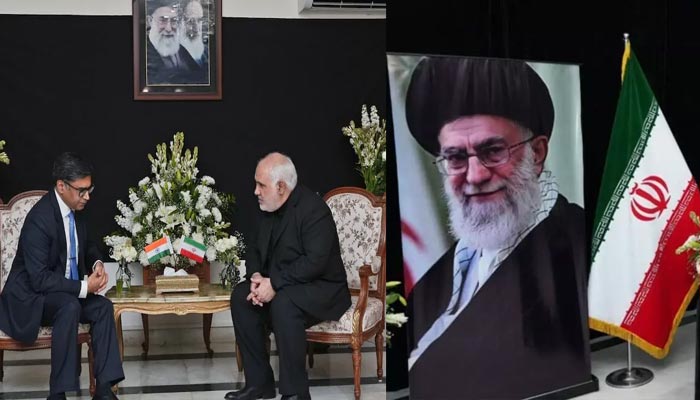
India has expressed condolences over the death of Iran’s Supreme Leader Ali Khamenei, with Foreign Secretary Vikram Misri signing the condolence book at the Embassy of Iran in New Delhi on Thursday.
Misri signed the register on behalf of the Government of India, conveying the country’s sympathies following Khamenei’s death.
According to reports, Khamenei was killed in a joint US–Israeli airstrike on February 28, an incident that has intensified tensions and triggered a broader conflict across the West Asian region.
India Calls For De-Escalation
Earlier this week, India urged restraint and called for dialogue and diplomacy to bring an early end to the escalating conflict involving Iran, the United States, and Israel.
In a statement, the Ministry of External Affairs stressed the importance of protecting the interests of nearly 10 million Indians living and working in West Asia and warned that continued instability could disrupt critical trade and energy supply chains.
“In this background, India strongly reiterates its call for dialogue and diplomacy. We raise our voice clearly in favour of an early end to the conflict,” the ministry said.
The statement also expressed grief over the loss of lives since the conflict began and emphasised that the safety and wellbeing of Indian nationals in the region remains a top priority.
Concerns Over Energy And Trade
The conflict has already begun affecting global energy markets. Oil prices surged after Iranian forces effectively shut down the Strait of Hormuz, one of the world’s most important shipping routes for crude oil.
Natural gas prices also rose after QatarEnergy halted production following attacks on its facilities.
These developments have raised concerns in India, the world’s second-largest crude oil importer, which meets about 85 percent of its energy needs through imports.
The government warned that any major disruption in the region could have serious consequences for the Indian economy, given that a significant share of India’s trade and energy supplies passes through West Asian waters.
Officials also noted that some Indian nationals have been killed or reported missing in recent attacks on merchant shipping, while reiterating India’s firm opposition to such strikes.
War Spreads Across The Region
The conflict has rapidly expanded beyond the immediate battlefield. Reports indicate fighting and military incidents have occurred across several parts of the region and beyond.
In one development, a US submarine reportedly torpedoed an Iranian warship near the Sri Lanka coast, while Azerbaijan threatened retaliation after a drone strike targeted an airport in the country.
Azerbaijan warned that the attack “will not go unanswered” and said it was preparing retaliatory measures, raising fears that additional countries could be drawn into the conflict.
Meanwhile, Iran’s official Islamic Republic News Agency reported that 1,045 military personnel and civilians have been killed since the war began, though the figures have not been independently verified.
Iranian media also reported that several locations across Tehran — including a sports complex, football stadium, municipal building and shops — were damaged in recent US and Israeli strikes on the city.
Comments are closed.