
India Slams Pakistan’s Leadership of UN Taliban Sanctions Committee Over ‘Conflict of Interest’

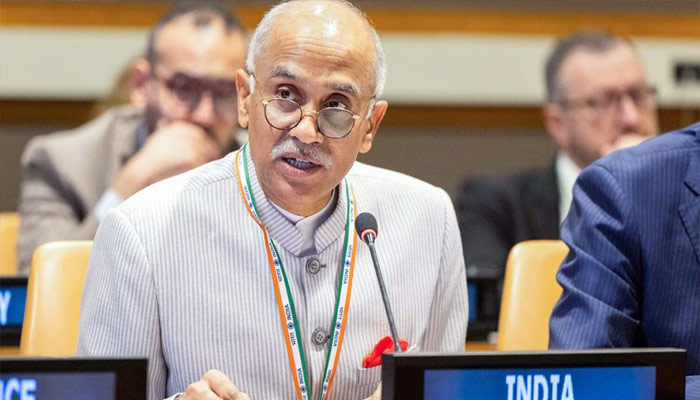
India on Friday sharply criticised Pakistan’s leadership of key United Nations Security Council (UNSC) bodies, calling it an “obvious conflict of interest” during a debate on the Council’s working methods.
India’s Permanent Representative to the UN, Ambassador P. Harish, said countries with “vested interests” should not be allowed to chair sanctions or counter-terrorism committees. Though he did not name Pakistan, his remarks were seen as a direct reference to Islamabad’s chairmanship of the Taliban Sanctions Committee and its co-chair role in the Counter-Terrorism Committee.
“Obvious and outright conflicts of interest can have no place in the Council,” Harish said, underscoring growing concerns about Pakistan’s influence over committees that oversee travel bans, asset freezes and terror designations.
The 1988 Taliban Sanctions Committee—currently chaired by Pakistan—authorises travel exemptions for sanctioned Taliban members. The panel recently drew attention when Afghanistan’s Foreign Minister Amir Khan Muttaqi’s travel request faced delays. India has also flagged Pakistan’s continued sheltering of UN-listed terrorists while it helps lead the Council’s counter-terrorism work.
Harish urged the Security Council to adopt a more transparent and objective process for selecting chairs and “penholders,” arguing that opaque decision-making undermines global counter-terror efforts. He highlighted the lack of clarity in how member states’ listing requests are blocked, noting that non-Council members are rarely told why proposals are rejected.
He also took aim at the UN Military Observer Group in India and Pakistan (UNMOGIP), saying outdated mandates should not be kept alive to serve “narrow political interests.”
Comments are closed.