
Karva Chauth 2025: Can Pregnant Women Observe the Fast? Doctors Weigh In

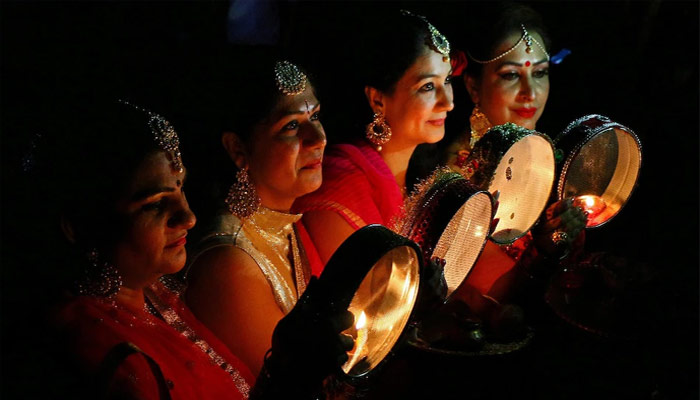
Karva Chauth is a revered Hindu tradition in which married women observe a waterless fast, praying for their husbands’ long lives.
The fast is broken after moonrise with water, following a puja. While the ritual is widely practiced, it raises concerns for pregnant women due to the physical demands of pregnancy.
Dr Sonia Rawat, Director of the Preventive Health and Wellness Department at Sir Ganga Ram Hospital, New Delhi, told News18 that pregnancy increases a woman’s nutritional and hydration needs due to physical and hormonal changes. She explained that going without food and water for long periods can cause dehydration, fatigue, and low blood sugar, which may negatively impact both mother and baby.
“During pregnancy, water intake is crucial to maintain amniotic fluid, digestion, and blood volume. A waterless fast can significantly increase the risk of dehydration, affecting fetal growth and causing headaches, dizziness, or exhaustion,” Dr Rawat said.
Blood sugar management is another critical concern. Prolonged fasting may cause drops in blood sugar, leading to weakness, anxiety, or fainting. This risk is even higher for women with gestational diabetes, making medical guidance essential.
Health experts recommend that pregnant women only observe Karva Chauth fasting after consulting a doctor and if they are completely healthy. Alternatives such as fasting with water, fruits, or liquids are advised instead of a strict waterless fast.
Pregnant women are encouraged to break the fast immediately if they experience dizziness, vomiting, headaches, or other discomforts. Maintaining flexibility and prioritizing health over rigid fasting rules ensures both maternal and fetal well-being while still honoring the spirit of Karva Chauth.
Comments are closed.