
Malegaon Blast Case Verdict Today: A Look at the 17-Year Legal Journey Since 2008

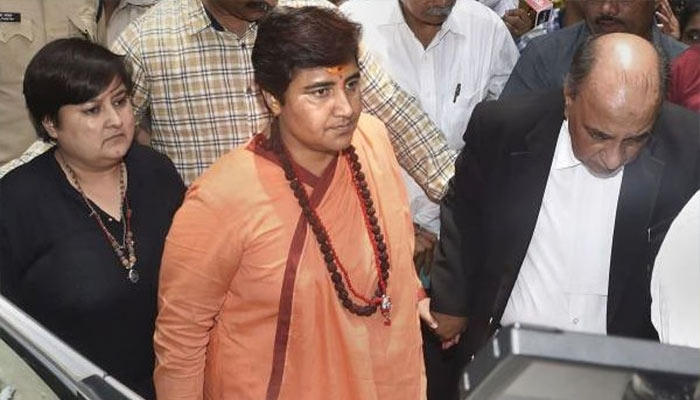
Malegaon Blast Case Verdict Today: A 17-Year Legal Battle Nears End.
A special NIA court in Mumbai is set to pronounce its verdict in the 2008 Malegaon blast case today, nearly 17 years after the deadly explosion rocked the Muslim-majority town in Maharashtra’s Nashik district. The case features high-profile accused including BJP MP Pragya Singh Thakur and Lieutenant Colonel Prasad Purohit.
What Happened in 2008?
On September 29, 2008, a bomb strapped to a motorcycle exploded in a crowded area of Malegaon during the holy month of Ramadan. The blast killed six people and injured over 100. Investigators later suggested the timing was chosen deliberately—just ahead of Navratri—to incite communal tension.
Initial Probe and Arrests
The case, initially handled by the local police, was soon transferred to Maharashtra’s Anti-Terrorism Squad (ATS). Investigators traced the motorcycle used in the blast to Pragya Singh Thakur, leading to her arrest in October 2008. Subsequent interrogations led to the arrest of 10 others, including Col Prasad Purohit.
The ATS alleged the accused were part of an extremist group called Abhinav Bharat, motivated by revenge against past terrorist acts committed by Islamist groups. They were charged under the Unlawful Activities (Prevention) Act (UAPA) and the Maharashtra Control of Organised Crime Act (MCOCA).
Shift to NIA and Legal Twists
In 2011, the probe was handed over to the National Investigation Agency (NIA), which later filed a supplementary chargesheet in 2016. The NIA dropped MCOCA charges, questioning the ATS’s use of the law and the validity of confessions obtained under it. It also recommended removing Pragya Thakur’s name from the list of accused, citing insufficient evidence.
However, the court retained charges against seven key accused — including Thakur, Purohit, and five others — under sections of the UAPA, Indian Penal Code, and the Explosive Substances Act. Three accused were discharged for lack of evidence.
Trial and Charges
The trial began in 2018 and concluded in April 2025. The charges included:
UAPA Sections 16 & 18: Terrorist act and conspiracy
IPC Sections 302, 307, 120B: Murder, attempt to murder, and criminal conspiracy
Others: Promoting enmity between religious groups, use of explosives, and illegal arms possession
The NIA argued that the attack aimed to instil fear among the Muslim community, create communal unrest, and undermine national security.
Verdict Day
Today’s judgement will mark the culmination of one of India’s most politically sensitive and long-running terror cases, with implications for national security, interfaith relations, and political narratives around extremism.
Comments are closed.