
Monsoon Health Alert: 5 Vegetables You Should Avoid Buying This Rainy Season

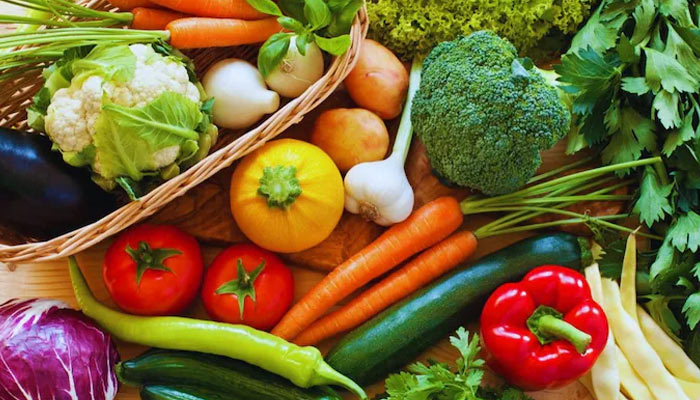
5 Vegetables You Should Avoid Buying During the Monsoon
The monsoon brings welcome relief from the heat, but it also creates the perfect environment for bacteria, fungi and insects to thrive. Some vegetables become more vulnerable to contamination during this season, so it’s important to be extra careful while buying and preparing them.
1. Leafy Greens
Examples: Spinach, lettuce, fenugreek, coriander
Leafy vegetables tend to trap mud, moisture and tiny insects between their leaves during the rainy season. The damp conditions can also encourage bacterial and fungal growth, increasing the risk of foodborne illnesses if they are not cleaned properly.
2. Cabbage
Cabbage has tightly packed layers that can conceal dirt, insects and worms. During the monsoon, excess moisture may promote fungal contamination, making it difficult to clean thoroughly before cooking.
3. Cauliflower
The dense florets of cauliflower often provide hiding spots for tiny insects and larvae, especially in humid weather. If you’re buying cauliflower during the monsoon, inspect it carefully and clean it well before use.
4. Mushrooms
Fresh mushrooms contain a high amount of moisture and spoil quickly. High humidity during the rainy season can speed up bacterial and fungal growth, reducing their freshness and shelf life. Buy only from reliable sellers and consume them as soon as possible.
5. Brinjal (Eggplant)
Brinjals are more susceptible to insect infestation during the monsoon. Tiny worms may be present inside the vegetable even when the outer skin looks healthy. Always cut it open and inspect it before cooking.
Monsoon Food Safety Tips
You don’t have to stop eating these vegetables altogether. Instead, follow these simple precautions:
- Buy fresh produce from clean and trusted vendors.
- Wash vegetables thoroughly under running water.
- Soak them in salt water or a vinegar solution for 15–20 minutes before cooking.
- Prefer cooked vegetables over raw salads during the monsoon.
- Include seasonal vegetables such as bottle gourd, ridge gourd, pumpkin and ash gourd,
- which are generally less prone to contamination.
Comments are closed.