
New Exam Bill Explained: 6 Major Changes Including Tougher Punishments and Faster Trials

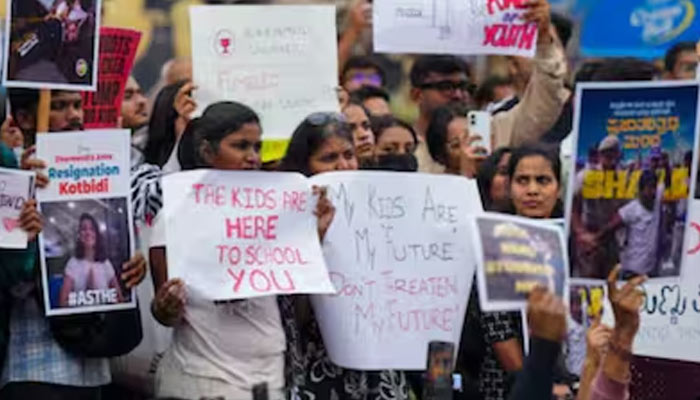
New Exam Bill 2026: 6 Key Changes Proposed to Crack Down on Paper Leaks and Exam Fraud
In a bid to strengthen the fight against paper leaks and examination malpractice, the Union Cabinet has approved the Public Examinations (Prevention of Unfair Means) Amendment Bill, 2026. The proposed legislation seeks to introduce tougher punishments, time-bound investigations and dedicated fast-track courts to ensure swift action against exam-related offences.
Prime Minister Narendra Modi, while chairing the Cabinet meeting, directed that the Bill be treated as a priority and introduced in Parliament at the earliest. It is expected to be tabled in the Lok Sabha on Monday.
Here are the six biggest changes proposed in the Bill:
1. Tougher Punishments for Exam Fraud
The Bill significantly enhances penalties under the existing 2024 law. The minimum jail term for offences has been increased from three years to five years, while the maximum imprisonment has been doubled from five years to 10 years. The maximum fine has also been raised from ₹10 lakh to ₹50 lakh.
2. Harsher Action Against Service Providers
Companies or agencies found complicit in examination fraud could face fines of up to ₹5 crore and be barred from conducting public examinations for eight years, replacing the current four-year ban. Directors and senior management involved in such offences would also face a minimum five-year jail term along with hefty financial penalties.
3. Severe Penalties for Organised Exam Rackets
To target large-scale cheating networks, the Bill proposes stricter punishment for organised examination fraud. Such offences would attract a minimum seven-year prison sentence and a minimum fine of ₹10 crore, making them among the most severely penalised crimes under the Act.
4. Time-Bound Investigations
The proposed law mandates that investigations be completed within two months. The Centre will also be empowered to constitute a Special Task Force (STF) or refer cases to a Central Investigating Agency for faster and more coordinated probes.
5. Special Fast-Track Courts
Every state and Union Territory will be required to designate Special Fast-Track Courts exclusively for cases under the Act. These courts will conduct day-to-day hearings and aim to complete trials within three months of the chargesheet being filed. Pending cases will also be transferred to these courts without restarting proceedings.
6. Dedicated Appeal Mechanism
The Bill proposes the appointment of Special Public Prosecutors in every state and Union Territory to handle cases under the law. Appeals against judgments of the Special Fast-Track Courts will be heard by a Division Bench of the respective High Court, with an effort to dispose of them within three months.
Aim of the Amendments
According to the government, the amendments are intended to strengthen the integrity, transparency and credibility of public examinations by creating stronger deterrents against paper leaks and organised exam fraud while ensuring that investigations and trials are completed within fixed timelines.
The Bill is expected to be taken up in Parliament this week, where it could trigger a fresh debate between the government and the Opposition over examination reforms and measures to curb recurring paper leak incidents.
Comments are closed.