
‘Painful Parallels To Nirbhaya Case’: Supreme Court On Rising Delhi-NCR Rape Cases

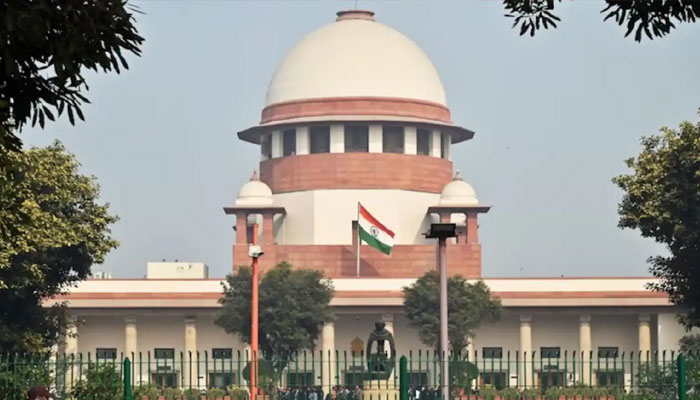
The Supreme Court has taken suo motu cognisance of a series of recent rape cases reported in Delhi and the National Capital Region, including the alleged gang rape of a minor on a sleeper bus, and drew a connection with the 2012 Nirbhaya case.
A bench headed by Justice JB Pardiwala said the recent incidents pointed to serious shortcomings in law enforcement and raised concerns over the safety of women and children in public spaces.
The court observed that places such as parks and buses cannot be allowed to turn into high-risk areas because of inadequate lighting, surveillance or other basic administrative arrangements.
“Merely expressing solidarity is not enough,” Justice Pardiwala observed, stressing the need to establish accountability for failures that allow such incidents to occur.
The bench further said that the circumstances surrounding the recent cases meant that “one cannot help but draw painful parallels to the Nirbhaya incident of 2012.”
What Happened In The Nirbhaya Case?
The reference was to the December 2012 gang rape of a 23-year-old woman aboard a moving bus in Delhi. She later died from her injuries, triggering widespread protests across India and renewed public debate over the safety of women.
The case resulted in significant changes to India’s criminal laws relating to sexual offences, including an expansion of the definition of several offences and tougher punishments for crimes against women.
The Supreme Court’s latest intervention comes against the backdrop of renewed concerns over sexual violence in Delhi and neighbouring areas and the ability of authorities to ensure safety in public places.
Four Accused Were Executed
Six people were accused in the 2012 Nirbhaya case. One of them was a juvenile and was dealt with separately under the juvenile justice system.
Another accused died while in custody. The remaining four adult convicts were subsequently executed at Delhi’s Tihar Jail in March 2020.
By taking up the recent cases on its own motion, the Supreme Court has sought to examine not only the individual incidents but also broader questions concerning prevention, public-space safety and accountability among law enforcement and administrative authorities.
Comments are closed.