
Pakistan’s ‘K-2 Strategy’: How Bot Networks and Khalistani Groups Are Allegedly Fueling Protests in India

Agencies Flag Alleged Foreign Influence Operations Targeting Indian Protests Through Digital Networks
Indian intelligence and cyber-security agencies have raised concerns over what they describe as coordinated attempts by overseas bot networks, Pakistan-linked disinformation operators and Khalistani extremist groups to exploit domestic protests and shape online narratives.
According to intelligence inputs accessed by CNN-News18, agencies believe these networks typically do not initiate protests themselves. Instead, they allegedly identify movements rooted in genuine public concerns—such as farmers’ issues, unemployment, labour disputes or student protests—and seek to influence the conversation surrounding them through coordinated online activity.
Officials say the pattern aligns with what security agencies refer to as Pakistan’s alleged “K-2 strategy”—an approach they describe as linking the Kashmir and Khalistan narratives while exploiting India’s internal social and political fault lines through information campaigns.
Focus on online amplification
Intelligence agencies claim that networks operating from Pakistan, as well as parts of North America and Europe, monitor trending hashtags and public discussions before amplifying selected content through bot accounts, coordinated social media profiles and AI-generated material.
According to officials, the objective is to gradually shift online discourse from issue-based demands towards more polarising or anti-state narratives rather than introducing extremist messaging at the outset.
Funding and coordination under scrutiny
Investigators have also highlighted alleged financial channels involving hawala networks, illicit transfers and fake diaspora organisations, which they suspect may be used to support fringe groups seeking influence during public demonstrations.
Security agencies further allege that some individuals with criminal backgrounds are encouraged to provoke confrontations during protests, with the intention of escalating tensions and generating images or videos that can later be used in international information campaigns.
Previous action against alleged disinformation networks
The government has previously blocked several YouTube channels and websites accused of spreading Pakistan-linked disinformation during major domestic events, including the farmers’ protests and demonstrations against the Citizenship Amendment Act (CAA).
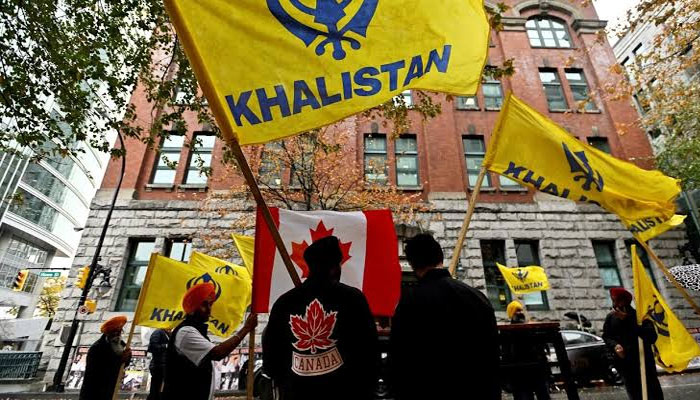
Agencies also continue to monitor the activities of Sikhs for Justice (SFJ), which India has designated as an unlawful organisation. Officials allege that overseas actors associated with the group have, during past protests, circulated videos offering financial incentives for displaying separatist symbols at high-profile locations.
At the same time, security officials maintain that the overwhelming majority of participants in public protests are ordinary citizens raising legitimate concerns. Their concern, they say, is that foreign influence operations increasingly seek to exploit digital platforms to amplify polarisation, shape public perception and internationalise domestic issues.
Comments are closed.