
Panchayat Stumbles in Season 4 with Disjointed Narratives and Diminished Warmth

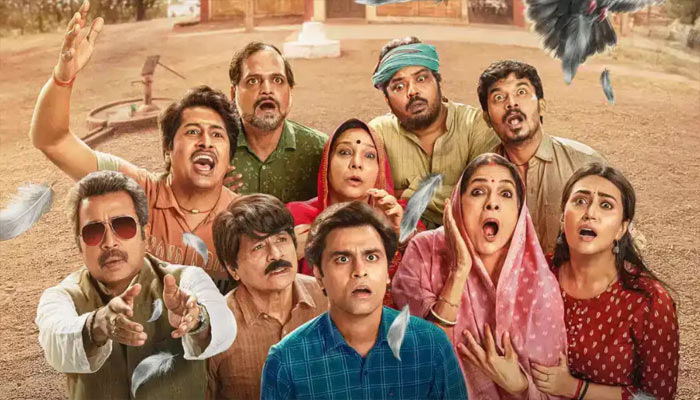
Panchayat Season 4 Review: A Faltering Sequel That Struggles to Find Its Voice.
The return to Phulera in Panchayat Season 4 should have been a warm homecoming. But what greets fans instead is a disjointed continuation that loses much of the emotional resonance and everyday simplicity that once defined the beloved series.
Let’s face it—Panchayat hasn’t really been a comedy since Season 2. With each passing season, the light-hearted charm that made the show relatable has given way to heavier themes. Season 3 steered deep into village politics, ending with a startling shootout that left Pradhan injured. Season 4 picks up directly after, diving headfirst into the village elections.
This time, it’s Manju Devi vs Kranti Devi in a high-stakes local election. And while the political plot dominates most episodes, it lacks the emotional grounding and nuanced writing that earlier seasons offered. The conflict feels stretched, and the stakes never quite translate into compelling storytelling.
The season opens with Abhishek Tripathi (Jitendra Kumar) in a visibly bad mood, worried about being implicated under IPC Section 323. His cousin’s sudden exit from the village sets the tone for a season that feels unsettled and emotionally thin.
What Works
Among the highlights is Neena Gupta’s portrayal of Manju Devi. Her character’s arc is perhaps the only one that progresses with conviction. From a passive figurehead to a confident leader who calls out her husband’s flaws, she emerges as a voice of reason in a season mired in noise.
Faisal Malik as Prahlad continues to deliver quietly powerful moments. His subdued performance reflects the weariness of a man who’s grieving yet loyal, caught in the exhausting drama of local politics for the sake of friendship.
Ashok Pathak as Binod, too, brings a welcome spark. Whether he’s awkwardly moved by the election results or asserting himself in quiet rebellion, he adds authenticity and life to scenes that would otherwise fall flat.
What Doesn’t
The biggest letdown is Abhishek himself. Detached, emotionally unavailable, and increasingly disinterested, his character feels hollow. His dynamic with Rinky lacks warmth or depth, and his role in the administrative affairs of the village is disappointingly minimal. Once positioned as the outsider trying to make sense of Phulera, he now seems like a bystander in his own story.
The show also suffers from uneven writing and pacing. Scenes like the chaotic trip to fetch an electrician or Bhushan cooking lauki in a pressure cooker mid-village feel more absurd than meaningful. Moments meant to generate laughs or tension end up feeling contrived.
Even the emotional beats miss the mark. Pradhan’s outburst—yelling and flinging objects in a fit of anger—feels unearned and out of character, especially since there’s no build-up or context for such a reaction. The tonal shifts are jarring, and the season struggles to maintain a consistent emotional thread.
Episode 5 introduces Manju Devi’s father (Ram Gopal Bajaj), but instead of deepening her storyline, the arc is oddly focused on his conversations with Abhishek. The subplot feels underdeveloped and unnecessary.
The Final Word
Season 4 attempts to build on the political tension of Season 3 but forgets what made Panchayat so compelling in the first place—the small joys, subtle humour, and heartfelt simplicity of rural life.
Despite a few strong performances and rare moments of poignancy, the latest season feels more like a filler than a natural progression. With scattered plots and a fading emotional core, Panchayat Season 4 struggles to justify its return.
Unless the next season recalibrates its tone and focus, this once-grounded series risks drifting too far from what made it special.
Comments are closed.