
Pregnancy in a Toxic World: How Air, Water and Chemicals Impact Mother and Baby

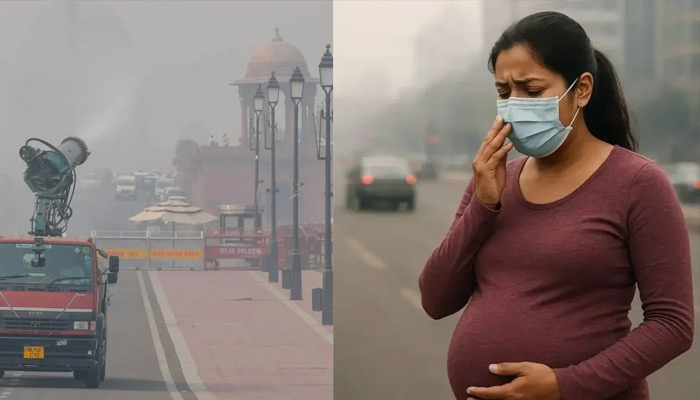
While pregnancy often focuses on diet, exercise and routine care, a growing body of evidence suggests that environmental factors—especially pollution—can quietly shape outcomes for both mother and baby.
In a country where several cities frequently record hazardous air quality, these risks are becoming harder to ignore. Dr. Sahana M. Gowda, Consultant Obstetrician and Gynaecologist at Motherhood Hospitals, Bengaluru, points out that beyond nutrition, exposure to polluted air and contaminated water is emerging as a key determinant of fetal health. Fine particulate matter, commonly known as PM2.5, is small enough to enter the bloodstream through the lungs. Studies suggest that these particles can cross the placental barrier, triggering inflammation in the mother’s body. This has been linked to complications such as high blood pressure, low birth weight and preterm delivery.
Air pollution does not just affect the mother’s immediate health—it may also influence the baby’s long-term development. Reduced oxygen supply and inflammation can interfere with fetal growth, potentially affecting organ development and immunity.
Another area of concern is exposure to endocrine-disrupting chemicals (EDCs). These are found in everyday items such as plastic bottles, food packaging, cosmetics and household products. EDCs can interfere with hormone function, potentially affecting fertility, egg quality and even the implantation of a fertilised egg. During pregnancy, continued exposure may also influence the baby’s development.
Water quality is equally important. Contaminants such as heavy metals can enter the body through drinking water and may impact the baby’s brain development and immune system. This makes it essential for expectant mothers to pay attention not just to what they eat, but also to their surroundings.
Doctors recommend a few practical steps to reduce exposure. Avoid stepping outdoors when air quality levels are poor, and use a mask if going out is necessary. Limiting time in crowded or highly polluted areas can also help. At home, switching from plastic containers—especially for hot food—to glass or stainless steel can reduce chemical exposure.
Small lifestyle changes can make a difference. Using natural cleaning alternatives like vinegar and baking soda instead of strong chemical cleaners can lower indoor pollution. Drinking water from safer containers such as glass or copper, and choosing fresh, antioxidant-rich foods like berries, citrus fruits and pomegranate, may help the body counter oxidative stress caused by toxins.
Simple practices like steam inhalation after outdoor exposure can help clear airways, while herbal options such as tulsi tea are often recommended for general well-being.
Ultimately, experts emphasise that maternal health is closely tied to environmental conditions. Protecting a child’s future begins well before birth—and ensuring cleaner air, safer water and reduced chemical exposure is as important as any medical care during pregnancy.
Comments are closed.