
Private Satellites Track Methane Leaks from Oil, Gas and Coal Facilities Worldwide

Methane is the second-largest human-caused contributor to global warming, often overshadowed by carbon dioxide but far more potent in the short term.
With nearly 30 times its warming impact over a 20-year period. A significant share of methane emissions comes from highly visible parts of the energy industry—such as flare stacks, coal mine vents and open-pit mining operations.
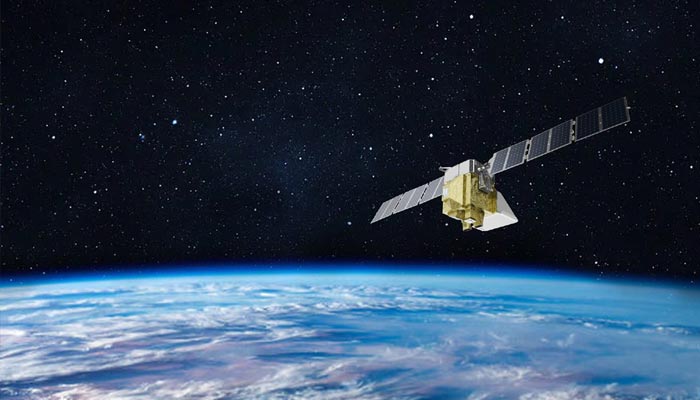
Now, using a constellation of private satellites operated by GHGSat, researchers have been able to pinpoint methane emissions from thousands of oil, gas and coal facilities across the world. This unprecedented facility-level view reveals exactly where greenhouse gases are being released into the atmosphere, offering governments and companies a powerful tool to design targeted and effective climate-mitigation strategies.
Satellite data maps global methane hotspots
According to a study published in Science on December 11, 2025, the GHGSat satellite network has delivered the world’s first global, gridded estimate of methane emissions at the facility scale. Dylan Jervis of GHGSat said the data makes it possible to track emissions with a level of precision that was previously unavailable.
The analysis covered 3,114 oil, gas and coal sites worldwide. It found that Turkmenistan, the United States, Russia, Mexico and Kazakhstan accounted for the highest methane emissions from oil and gas operations. In the coal sector, China and Russia emerged as the leading emitters.
Emissions are intermittent but significant
The study also revealed sharp differences in emission patterns across sectors. Coal facilities released detectable methane nearly half the time, highlighting their persistent contribution to atmospheric methane levels. Oil and gas installations, meanwhile, were more intermittent, producing measurable methane plumes only around 16% of the time.
Researchers say this variability underscores the importance of continuous monitoring. Even sporadic releases can have an outsized climate impact, and identifying these emission bursts could help regulators and operators quickly plug leaks and reduce overall emissions.
By combining satellite surveillance with policy and industry action, experts believe such detailed data could play a crucial role in cutting methane emissions—one of the fastest ways to slow near-term global warming.
Comments are closed.