
‘Ra’amgate Is an Earthquake’: Netanyahu Suspects Foreign Plot to Boost Arab Parties as Israel’s Kingmakers

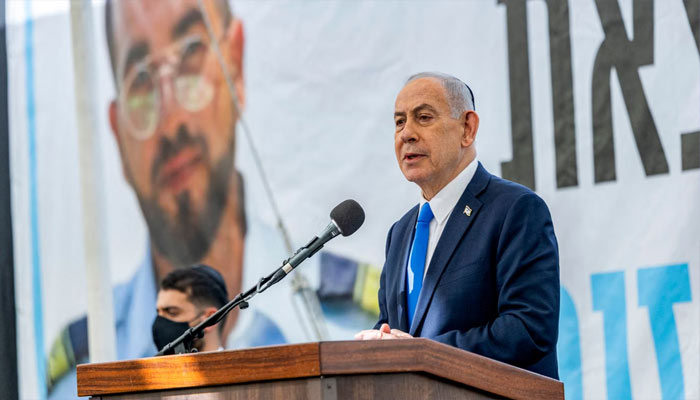
Netanyahu Calls ‘Ra’amgate’ an ‘Earthquake’, Seeks Probe Into Alleged Foreign Election Interference
Israeli Prime Minister Benjamin Netanyahu has called the alleged “Ra’amgate affair” an attack on the country’s democracy, accusing foreign actors of interfering in the election and bribing voters to support Arab-led parties. He has demanded an immediate investigation by Israel’s Shin Bet security service and police.
In a statement issued under the banner of his Likud party, Netanyahu described the alleged episode as an “earthquake” and claimed that outside forces were attempting to influence the composition of the Knesset, Israel’s 120-member parliament.
“The Ra’amgate affair is an earthquake. They stole the elections in Israel!” the statement said, alleging that foreign entities had interfered in the electoral process and bribed voters in favour of Arab parties.
The statement also warned that the alleged interference could pave the way for the “Islamization of Israel” and threaten the continuation of right-wing rule. However, the accusations remain allegations, and the statement did not establish that foreign interference or vote-buying had occurred.
Likud called on the security services to investigate the matter without delay, insisting that no Zionist party should cooperate with Ra’am or the Joint List, two Arab-led political formations. It also opposed any attempt to replace the Knesset speaker with the support of votes allegedly secured through cash payments.
“We demand to act immediately and with all means available to the Shin Bet and the police to investigate these crimes,” the party’s statement said.
Arab Parties Gain Leverage Amid Political Deadlock
Netanyahu’s allegations come amid a fresh political impasse following an election that has left neither his right-wing bloc nor the opposition with a clear path to a parliamentary majority.
Early projections placed Netanyahu’s bloc at approximately 53 seats, while the opposition alliance led by former military chief Gadi Eisenkot was expected to secure around 48. Arab-led parties were projected to win approximately 19 seats, potentially giving them a decisive role in determining the next government.
A coalition needs at least 61 seats in the Knesset to command a majority, making the support of Arab parties particularly significant in the ongoing political negotiations.
The results have created a dilemma for the opposition. Cooperation with Arab-led parties could offer a route to power, but such an arrangement remains controversial among several Jewish-led political groups.
The election also witnessed a substantial increase in turnout among Palestinian citizens of Israel, with reports pointing to participation levels not seen in decades. The strong showing has raised expectations among Arab voters that their representatives could exercise greater influence over government formation and policy decisions.
Ra’am and Joint List at the Centre of Coalition Talks
Ra’am, led by Mansour Abbas, and the Joint List have emerged as important players in the post-election negotiations. Their backing could help opposition parties secure the numbers needed to form a government, although it remains uncertain whether opposition leaders will agree to work with them.
Both political formations were previously targeted by a decision of Israel’s Central Elections Committee to disqualify them from contesting the election. Israel’s Supreme Court overturned that decision, allowing them to participate in the electoral contest.
Netanyahu’s latest statement signals a firm rejection of any governing arrangement that depends on Arab-led parties. By framing their potential role in coalition formation as a threat to national security, the Likud leader has intensified the political confrontation over who should lead Israel’s next government.
The allegations of foreign interference and vote-buying have added another contentious dimension to the coalition deadlock, with the outcome likely to depend on whether rival political blocs can secure sufficient parliamentary support.
Comments are closed.