
Sheikh Hasina Seeks Fresh Passport, Signals December Return to Bangladesh After Two Years in Exile

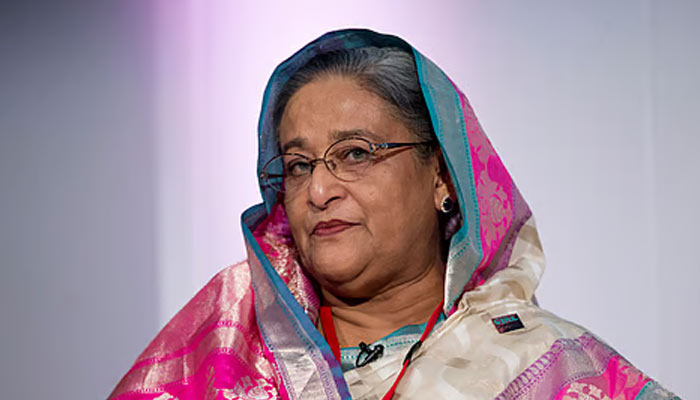
Former Bangladesh Prime Minister Sheikh Hasina has sought a fresh passport and national identity card, taking a step towards her planned return to the country from exile in India.
The request comes nearly two years after she was removed from power following a massive student-led uprising.
According to a letter obtained by The Associated Press, a representative of Hasina emailed Bangladesh’s High Commissioner in London, urging him to initiate the process of issuing her a new passport and national identity card.
Hasina’s aide, Abu Obaidha Arin, described the request as an important move towards her return, saying her previous documents had been revoked by the former government. He said Hasina wanted to regain her rights as a Bangladeshi citizen and obtain the necessary identification papers.
Arin reiterated that Hasina remained firm on her decision to return home by December, adding that she was determined to make the journey regardless of the circumstances.
The development comes amid continuing diplomatic tensions between Dhaka and New Delhi over her presence in India. Bangladesh has repeatedly sought her extradition under the bilateral treaty between the two countries, but India has so far declined to hand her over.
On Thursday, Bangladesh’s Junior Foreign Affairs Minister Humaiun Kobir reiterated the government’s demand for Hasina’s return, maintaining that an active extradition agreement existed between the two countries.
Hasina fled to India on August 5, 2024, after months of student-led demonstrations forced her out of office. The political upheaval followed a violent crackdown on protesters that resulted in widespread casualties.
In 2025, a special tribunal in Bangladesh sentenced her to death after finding her responsible for crimes against humanity linked to the suppression of the protests. The United Nations estimated that nearly 1,400 people were killed during the unrest. Hasina has denied the allegations, rejected the tribunal’s ruling and questioned the legitimacy of the proceedings.
Following her departure, an interim administration took charge and subsequently oversaw parliamentary elections in February. Hasina’s Awami League was barred from participating in the polls.
The election brought Tarique Rahman, son of Hasina’s longtime political rival, to power with a sweeping victory, marking another major shift in Bangladesh’s political landscape.
Comments are closed.