
SpaceX Plans World’s Biggest Launch Site as Elon Musk Eyes $100 Billion Expansion

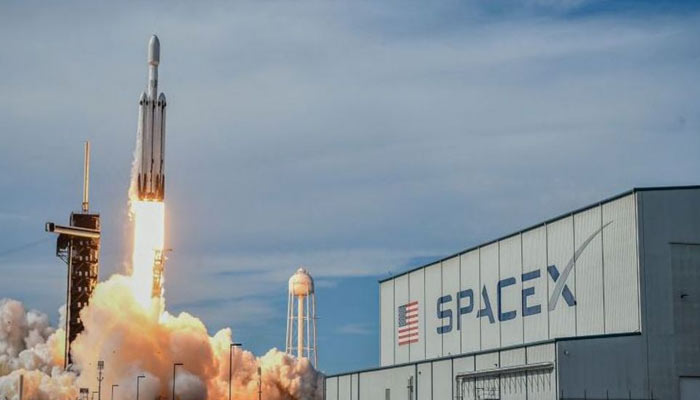
Elon Musk’s SpaceX is planning a massive new Starship launch complex on the Louisiana coast.
That could eventually become the world’s largest rocket-launch site, marking a major expansion of the company’s ambitions for its next-generation spacecraft.
The proposed “Starbase Louisiana” facility in Vermilion Parish could represent an investment of up to $100 billion and is expected to handle more than 30 Starship launches a day once fully operational.
Here are 10 key things to know about the proposed project:
1. Construction could begin by 2027
SpaceX plans to begin construction of the Louisiana spaceport by the end of 2027. The first Starship launch from the facility could take place as early as 2029, subject to regulatory approvals and development progress.
2. More than 30 launches a day
The company plans to eventually build more than a dozen launch towers at the site. Elon Musk has said the facility could support more than 30 Starship flights every day, potentially making it the busiest rocket-launch complex in the world.
3. A new role for Louisiana
Louisiana has never hosted an orbital rocket launch. If SpaceX’s plans become reality, the state could become a major centre for commercial spaceflight and one of the world’s busiest launch locations.
4. It will be called Starbase Louisiana
The facility will be known as “Starbase, Louisiana”, borrowing the name of SpaceX’s existing company town and Starship development complex in South Texas.
Texas currently serves as the primary location for Starship testing and development, with 13 test flights having taken place there.
5. The site is intended for operational missions
Unlike the Texas facility, which has primarily been used for Starship testing, the Louisiana complex is being designed for operational missions.
SpaceX ultimately wants Starship to carry cargo and other payloads into orbit while enabling both the Super Heavy booster and upper spacecraft to return and fly again.
6. Rapid reusability is a key goal
SpaceX’s long-term vision goes beyond simply launching Starship. The company wants to recover and reuse every major component, including the upper-stage spacecraft.
Achieving rapid and reliable reuse could significantly reduce the cost of space launches and allow Starship to operate at a much higher frequency.
7. A self-sustaining spaceport
SpaceX President and COO Gwynne Shotwell has described the proposed complex as a “self-sustaining spaceport”.
The facility could include its own propellant production and power generation systems, deep-water shipping infrastructure and vehicle-processing facilities. An airport could also eventually form part of the development.
8. A vast coastal footprint
The proposed project would cover roughly 125,000 acres in Vermilion Parish.
Shotwell said SpaceX plans to leave substantial portions of the property undeveloped to protect wetlands. The company also intends to support conservation, restoration and environmental stewardship efforts.
9. Major regulatory hurdles remain
The project faces extensive environmental and regulatory scrutiny before construction and launches can begin.
Reviews will cover wetlands, natural resources and rocket-launch operations. SpaceX’s smaller facilities in Texas have undergone lengthy regulatory processes, while environmental groups have challenged aspects of the company’s activities in court.
10. SpaceX is betting on Starship’s future
The Louisiana project reflects SpaceX’s broader strategy of making Starship its primary launch vehicle for a growing range of missions.
The company has already begun shifting some missions away from Falcon 9. SpaceX launch chief Kiko Dontchev said a Falcon 9 mission carrying Starlink satellites from Florida would be the state’s last such flight, with future Florida Starlink launches expected to transition to Starship.
If SpaceX can overcome Starship’s remaining technical and regulatory challenges, Starbase Louisiana could become a cornerstone of the company’s plans for high-frequency, reusable spaceflight.
Comments are closed.