
Sri Lanka Battles Dengue Surge: 10 Everyday Mistakes That Attract Mosquitoes to Your Home

Sri Lanka’s Dengue Surge: 10 Common Household Mistakes That Could Invite Mosquitoes
Sri Lanka is grappling with its worst dengue outbreak in almost a decade, with infections rising sharply and hospitals struggling to cope. According to local media reports, the country has recorded more than 77,000 dengue cases and 56 deaths so far this year, with over 25 per cent of the cases reported in July alone.
In an effort to curb the outbreak, authorities have launched aggressive mosquito-control measures, including the use of military drones to detect stagnant water on rooftops and other hard-to-reach breeding sites.
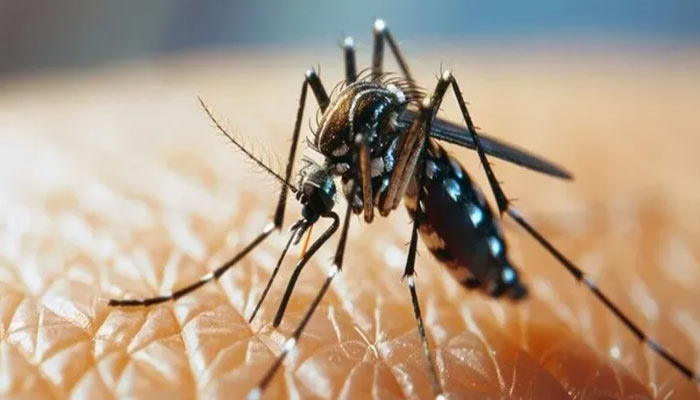
Although the current outbreak is centred in Sri Lanka, health experts say the situation is a reminder for people living in tropical and monsoon-affected regions. The Aedes aegypti mosquito, which spreads dengue, breeds in clean, stagnant water commonly found around homes. Eliminating these breeding spots remains the most effective way to reduce the risk of infection.
10 Everyday Mistakes That Can Attract Dengue Mosquitoes
1. Leaving Water in Plant Pots
Flower pots and the trays beneath them often collect rainwater. Empty and scrub them regularly to prevent mosquito breeding.
2. Ignoring Rooftops and Terraces
Blocked drains, unused containers and low-lying corners on rooftops can hold water for days. Inspect these areas, especially after rainfall.
3. Keeping Water Storage Containers Uncovered
Buckets, drums and overhead tanks should always remain tightly covered, as even small amounts of standing water are enough for mosquitoes to lay eggs.
4. Forgetting AC and Refrigerator Drain Trays
Condensation trays behind air conditioners and refrigerators can become hidden breeding grounds if not cleaned and emptied frequently.
5. Neglecting Drains and Gutters
Leaves and debris can clog drains and gutters, allowing rainwater to stagnate. Regular cleaning helps prevent mosquito breeding.
6. Storing Old Tyres and Scrap Outdoors
Discarded tyres, bottles, cans and broken containers easily collect rainwater. Dispose of them properly or keep them covered and dry.
7. Rarely Changing Water in Flower Vases
Replace vase water every two to three days and wash the container thoroughly before refilling it.
8. Overlooking Pet Bowls and Bird Baths
Clean and refill pet water bowls and bird baths daily, as mosquitoes can breed in very small quantities of water.
9. Believing Dengue Mosquitoes Breed Only in Dirty Water
A common misconception is that dengue mosquitoes breed only in polluted water. In reality, Aedes aegypti prefers clean, stagnant water, making household containers one of the biggest risks.
10. Depending Only on Fogging
Fogging kills adult mosquitoes but does not destroy eggs or larvae. Regularly removing stagnant water from your surroundings is the most effective long-term solution.
How to Protect Yourself From Dengue
Along with eliminating standing water, experts recommend taking these precautions:
- Apply a WHO- or EPA-recommended mosquito repellent, especially when outdoors.
- Wear full-sleeved clothing and long trousers, as Aedes mosquitoes are most active during the daytime.
- Install window screens or use mosquito nets where necessary.
- Seek immediate medical attention if you develop symptoms such as high fever, severe headache, pain behind the eyes, muscle and joint pain, nausea, vomiting or a skin rash.
Comments are closed.