
Swiss Glaciers Reach Annual Melting Threshold Weeks Ahead of Schedule

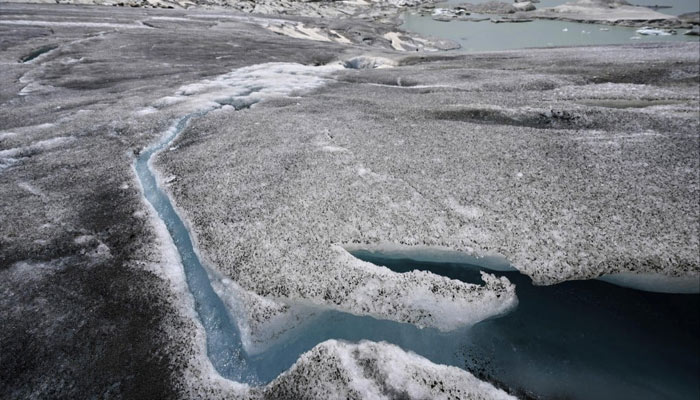
Swiss Glaciers Hit Melting Tipping Point Weeks Early, Sparking Fresh Climate Alarms.
Switzerland’s glaciers have reached their annual tipping point for ice loss several weeks earlier than usual, marking a deeply concerning milestone in the country’s accelerating climate crisis.
According to GLAMOS (Glacier Monitoring in Switzerland), the date known as “glacier loss day” — when seasonal melt exceeds all the snow and ice accumulated during the previous winter — fell on July 4 this year. It is the second-earliest occurrence of this critical threshold since records began in 2000. The only earlier date was in 2022, when it arrived on June 26.
“It’s another alarm call,” said Matthias Huss, head of GLAMOS. “It’s like the glaciers are shouting out: ‘We’re disappearing. Help us.’”
What Is Glacier Loss Day?
Typically, healthy glaciers hold onto some of their winter snowpack through the end of summer. When no more winter snow remains to buffer the melt, any further ice loss directly shrinks the glacier. In a stable climate, this day would fall in late September or not at all.
But July 4 is far too early. “This means we now have nearly the entire summer ahead of us for net ice destruction,” said Huss. “The melt season is being extended dramatically — by five to six weeks compared to what was considered ‘normal’ just two decades ago.”
Record Heat, Low Snow Behind the Early Loss
This year’s early glacier loss day was driven by below-average snowfall in winter and record-high temperatures in June, which was the second warmest June on record in Switzerland. With much of the reflective snow already gone, darker glacier ice is now exposed — absorbing more solar radiation and further accelerating melt in a dangerous feedback loop.
A Pattern of Collapse
Switzerland is home to around 1,400 glaciers, many of which have been retreating for over 170 years. While initial shrinkage was slow, the pace has intensified rapidly in recent decades.
Since 2000, Swiss glaciers have lost 38% of their volume.
Scientists had believed 2022 was a statistical outlier — a year of unprecedented melt.
But this year’s early glacier loss day challenges that belief, suggesting record ice loss may become more frequent than previously feared.
“Everything we thought we knew about glacier melt changed in 2022,” said Huss. “We didn’t expect to see another year like it so soon.”
Global Consequences
The accelerated melting of Alpine glaciers poses a direct threat to water security across Europe. Glaciers feed major rivers like the Rhine and the Rhone, which support agriculture, hydropower, and drinking water for millions downstream.
As heatwaves continue to sweep across Europe, scientists warn that 2024 could end up being another devastating year for the Alps — and another warning for the world.
Comments are closed.