
Tactical Errors and Past Missteps: Why India Struggled Even Before Facing Australia

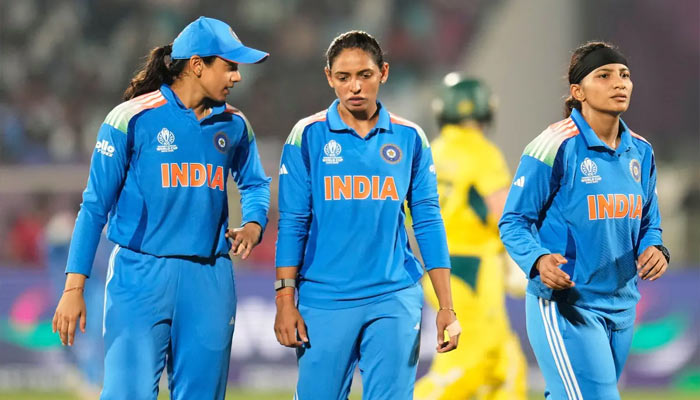
India’s recent clash against Australia in Visakhapatnam exposed just how costly repeated tactical errors can be.
A three-wicket defeat that felt entirely avoidable highlighted not just being outplayed, but self-inflicted lapses that stemmed from poor planning and decision-making. Against less-experienced teams, mistakes might pass unnoticed, but Australia’s relentless and disciplined approach left no room to hide.
The game underscored unforced errors at crucial moments. India’s approach appeared casual, with tactics lacking clarity and key opportunities slipping by. It wasn’t just about execution; it was about preparation and strategy falling short when it mattered most.
The Renuka Singh Puzzle
Much was expected from Renuka Singh, touted as India’s potential trump card with the new ball. Yet, she’s played only one match so far — a tidy 10-1-29-0 against Pakistan in Colombo. Despite a solid performance, she was inexplicably dropped for the South Africa and Australia matches.
In her place, India went with Amanjot Kaur and Kranti Goud. While both have potential, neither brings the same level of experience or new-ball threat. Amanjot isn’t a genuine pace bowler, and Kranti is still raw at the international stage. Defending a big total of 330, India could have greatly benefited from Renuka’s knack for early breakthroughs in high-pressure games. Her absence raised questions about selection strategy and whether India underestimated the importance of experience in critical moments.
The Visakhapatnam match was a reminder that talent alone isn’t enough — tactical clarity, informed decisions, and leveraging experienced players are just as crucial, especially against a side like Australia.
Comments are closed.