
Trump’s $100,000 H-1B Fee Blocked Again as Second US Judge Rules Against Charge

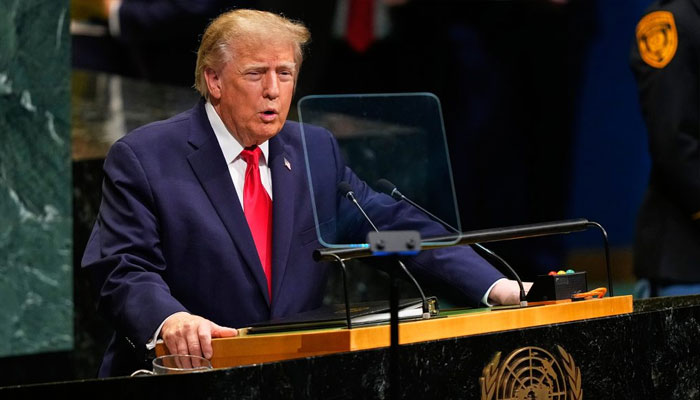
Trump’s $100,000 H-1B Fee Blocked Again by US Court
A second US federal judge has blocked the Trump administration from enforcing its $100,000 fee on certain new H-1B visas, ruling that federal agencies failed to follow mandatory procedures before putting the charge into effect.
US District Judge Haywood Gilliam in Oakland, California, issued the ruling on September 30 after a coalition of unions, employers and non-profit organisations challenged the fee. The order prevents US Citizenship and Immigration Services (USCIS) and the State Department from enforcing the charge while the legal challenge proceeds.
The ruling marks the second federal court decision blocking the controversial fee.
Why Did the Judge Block the Fee?
Gilliam found that the agencies had not complied with required rule-making procedures before implementing the $100,000 charge. The court’s decision focused on procedural requirements under federal administrative law, including the need for formal rule-making and public participation.
The case is separate from an earlier lawsuit in Massachusetts, where a federal judge in June also blocked the fee. The US Court of Appeals for the First Circuit subsequently declined to pause that ruling, leaving the fee blocked in that case as well.
The legal challenges have also questioned whether the president had the authority to impose such a large charge without congressional action.
$100,000 Fee Had Replaced Much Lower Costs
The H-1B programme allows US employers to hire foreign professionals with specialised skills and is widely used by technology companies and other industries.
Before Trump’s new charge, employers typically faced fees running into a few thousand dollars, depending on the type of application and other factors. The $100,000 fee represented a dramatic increase.
The Trump administration introduced the charge as part of a broader effort to overhaul the H-1B system. The administration has argued that companies have used the programme to replace American workers with lower-paid foreign labour.
It has also pursued tighter screening of applicants and proposed changes to the visa-selection process that would give greater weight to highly skilled and higher-paid workers.
Trump Extended Fee Despite Court Challenges
The original fee was introduced through a 2025 presidential proclamation and was subsequently extended for another year in September 2026.
The latest court ruling now prevents federal agencies from enforcing the charge while the case proceeds and further complicates the administration’s efforts to maintain the fee.
The White House did not immediately comment on the latest ruling.
Separate Permanent Fee Proposal
The legal battle over the $100,000 charge comes as the Department of Homeland Security has also pursued a separate proposal for a permanent H-1B-related fee of about $103,000.
That proposal would involve a different regulatory process and could face its own legal challenges if finalised.
Meanwhile, the US Chamber of Commerce has filed a separate lawsuit challenging the $100,000 fee. The business group is appealing a ruling that rejected its argument that Trump lacked authority to impose the charge.
Why the H-1B Programme Matters
The H-1B programme provides 65,000 visas annually for foreign workers in specialised occupations, along with an additional 20,000 visas for people holding advanced degrees from US institutions.
H-1B visas are generally issued for periods that can extend from three to six years, depending on the circumstances.
The programme is particularly important to the US technology sector, which relies heavily on foreign professionals in fields such as engineering, software development and other specialised occupations.
With two federal courts now having blocked the $100,000 charge on different legal grounds, the future of the fee remains tied to ongoing litigation and any further regulatory action by the administration.
Comments are closed.