
Trump’s New Russia Sanctions Law: Why India May Not Face an Automatic 100% Tariff

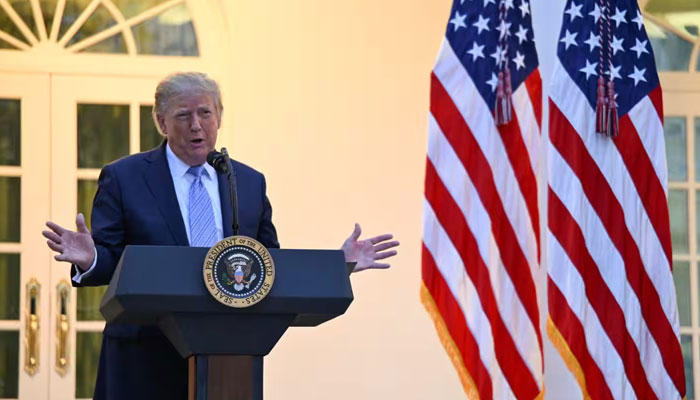
US President Donald Trump has signed the bipartisan Lindsey O. Graham Sanctioning Russia and Iran Act of 2026, giving Washington expanded powers to impose economic pressure on countries that continue purchasing Russian energy.
The legislation has generated concerns in global markets because it permits tariffs of up to 100 per cent on goods from countries buying Russian crude oil and natural gas. However, the law does not automatically impose a 100 per cent tariff on Indian exports.
The distinction between authorising tariffs and actually imposing them is central to understanding the legislation. While Congress has provided the White House with broad powers to penalise major buyers of Russian energy, the final tariff rate and its application remain subject to presidential action.
100% Tariff Is a Maximum, Not an Automatic Rate
The legislation establishes a tariff range extending from zero to 100 per cent. This means the President has the authority to determine whether tariffs should be imposed and, if so, at what level.
The law also provides a period of 30 days after enactment before the President assesses whether countries covered by the measure have knowingly entered into new purchases of Russian energy.
Another important provision requires the US Trade Representative to review the list of major Russian energy buyers every 180 days. The assessment focuses on the five countries purchasing the largest volumes of Russian crude oil and natural gas.
As a result, India’s position under the law can potentially change depending on its future energy purchases and decisions taken by the US administration.
Trump Has Significant Discretion
The legislation gives the US President considerable flexibility in deciding how the tariff mechanism will be used.
One provision allows the President to reduce, suspend or waive tariffs when doing so is considered necessary to protect US national interests. This provides Washington with room to take economic and strategic considerations into account before applying the maximum tariff.
The tariff rate can also be adjusted depending on whether a country takes what the legislation describes as “significant steps” to reduce or alter its purchases of Russian energy.
This makes the measure a potentially adjustable policy instrument rather than an automatic 100 per cent penalty triggered immediately after the law takes effect.
Why India May Not Face an Immediate 100% Tariff
Several economic and strategic factors could influence any decision affecting India.
A 100 per cent tariff on major Indian imports would also have consequences for American businesses and consumers. Higher duties could increase the cost of imported goods and add to inflationary pressures in the US.
The timing is also significant because India and the United States have been engaged in negotiations over their broader trade relationship. The tariff authority could therefore become an additional negotiating instrument between the two countries.
Energy markets are another consideration. India is a major refining centre, and its access to international crude supplies affects refined petroleum markets beyond its domestic economy. Any abrupt disruption to Indian refining operations could have implications for fuel supplies in Asian and European markets.
India’s Position on Russian Oil
New Delhi has consistently maintained that its energy purchases are guided by national energy-security requirements and market conditions.
India has also emphasised the need to maintain affordable and reliable energy supplies for its large population while diversifying its sources of crude oil.
The new US legislation therefore gives Washington a significant additional tool to pressure countries purchasing Russian energy, but it does not by itself mean that Indian exports will immediately face a 100 per cent tariff.
For India, the key factors will be future decisions by the Trump administration, the volume and nature of Russian energy purchases, India’s response to any US measures and the broader direction of India-US trade negotiations.
Comments are closed.