

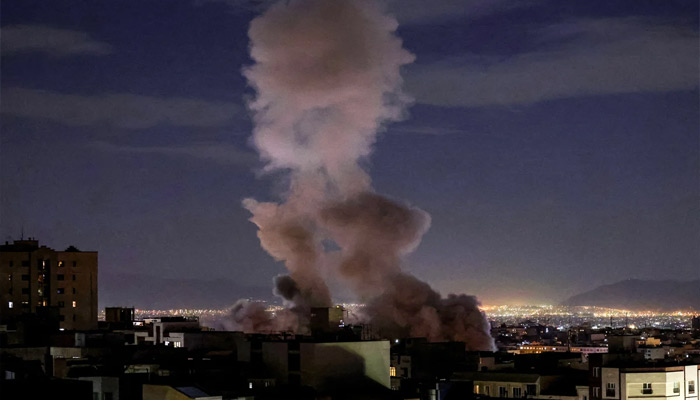
US Positions Most of Its Long-Range Missiles for Iran Strikes
The United States has committed nearly its entire stockpile of long-range JASSM-ER cruise missiles to potential operations against Iran, drawing missiles from other regions to bolster Central Command and European bases.
According to a source familiar with the matter, the $1.5 million missiles were pulled from Pacific stockpiles at the end of March. Additional missiles from facilities across the continental US are being moved to US Central Command bases or Fairford in the UK. After these movements, only about 425 of the 2,300 JASSM-ERs remain available for other regions, with roughly 75 more considered unserviceable.
The JASSM-ER, or Joint Air-to-Surface Missile–Extended Range, can strike targets over 600 miles away, allowing aircraft to engage from safer distances. Along with shorter-range JASSMs (range ~250 miles), around two-thirds of US stockpiles are now committed to the Iran campaign.
The US has relied heavily on long-range weapons to limit risks to personnel, but this approach has depleted systems reserved for potential conflicts with more capable adversaries, such as China. In the first four weeks of the conflict, over 1,000 JASSM-ERs were reportedly launched. Additional missiles were also fired during a separate operation targeting Venezuelan President Nicolás Maduro.
Production of the JASSM baseline ended about 10 years ago. Lockheed Martin plans to produce 396 JASSM-ERs in 2026, with a maximum potential of 860 if the production line is fully dedicated.
US operations have already seen the loss of aircraft and drones. On Friday, an F-15E and an A-10 were downed, along with two search-and-rescue helicopters. Iran has also destroyed more than a dozen MQ-9 strike drones. Meanwhile, over 1,600 Iranian ballistic missiles and around 4,000 rudimentary cruise missiles have been launched in the region, straining missile defense systems.
Missile defense production is ramping up. Lockheed Martin currently produces 650 Patriot PAC-3 interceptors annually, with a plan to increase to 2,000 by 2030. THAAD production is rising from 96 to 400 per year. Hundreds of Tomahawk cruise missiles have also been used against Iran, with new production and upgrades ongoing.
As US ground forces, including Marines and paratroopers, move closer to the region, speculation continues about potential targets such as Kharg Island, Iran’s main oil terminal. President Donald Trump has indicated a plan to significantly weaken Iran, while the Pentagon continues to rely on standoff strikes and precision bombs for ongoing operations.
Comments are closed.