
US Plan to Raise H-1B Wage Threshold by 30% Sparks Concern Among Indian Professionals

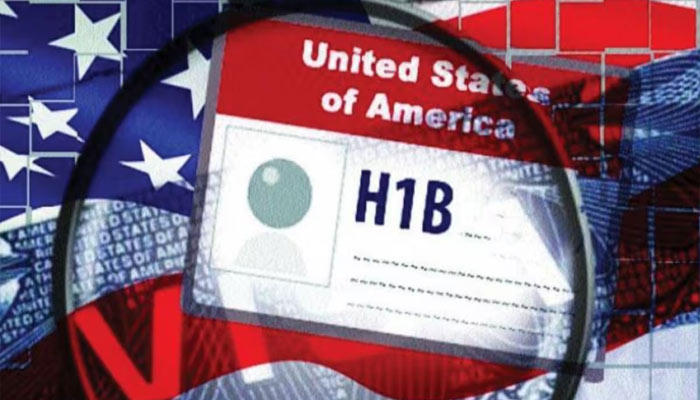
The US administration has proposed a major overhaul of its skilled immigration wage rules, suggesting a roughly 30% increase in the minimum salary requirements for companies hiring foreign workers under the H-1B visa programme.
The move, led by the Department of Labour (DOL), is aimed at tightening wage protections and preventing firms from using foreign talent to undercut domestic salaries.
Higher wage thresholds across all levels
The proposed rule, titled “Improving Wage Protections for the Temporary and Permanent Employment of Certain Foreign Nationals in the United States,” would revise the long-standing four-tier wage system used for H-1B hiring.
Under the changes, entry-level (Level I) wages would rise from the 17th percentile of local wage data to the 34th percentile—an increase of about 33%. This would push minimum salaries from roughly $73,279 to $97,746.
Other levels would also see significant increases:
Level II: about $123,212
Level III: about $147,333
Level IV: about $175,464
Government rationale
The DOL argues that the current wage benchmarks, unchanged for nearly two decades, no longer reflect present-day market conditions. Officials say the existing structure allows employers to hire foreign workers at lower-than-market rates, creating “wage arbitrage” that can disadvantage US workers.
The proposed changes would also apply to other visa categories, including H-1B1, E-3, and employment-based green card processes.
Industry concerns and next steps
The proposal is currently open for public comments until May 26, 2026, after which it will be reviewed before finalisation.
While labour groups have welcomed the move as protection for domestic workers, tech companies and universities have warned it could sharply raise hiring costs, particularly for startups and firms dependent on early-career international talent.
Critics also fear it could limit opportunities for foreign students transitioning from US universities into the workforce and potentially push companies toward outsourcing.
The proposal echoes a similar attempt made during the previous Trump administration, which was later blocked in court. However, the current version is backed by a 2025 presidential proclamation, suggesting a stronger legal foundation this time.
If implemented, the rule would apply to new applications and renewals filed after it takes effect, potentially reshaping hiring pathways for thousands of Indian professionals in the US tech sector.
Comments are closed.