
WHO Says Low Risk of Cross-Border Spread After Two Nipah Cases Reported in India

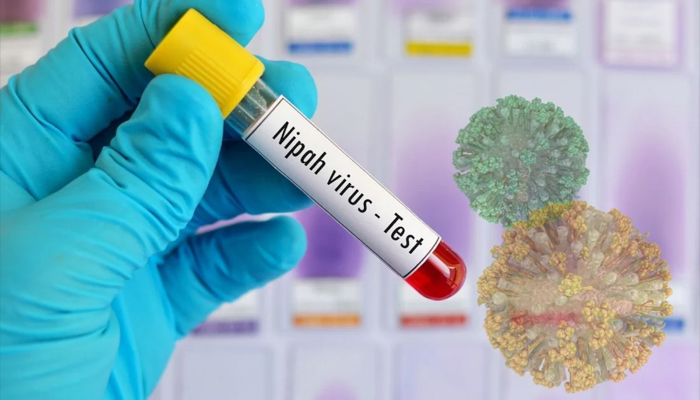
The World Health Organization (WHO) has said the risk of the Nipah virus spreading beyond India remains low.
After the country reported two confirmed cases, adding that no travel or trade restrictions are recommended at this stage. In a statement to Reuters on Friday, the global health body said India has the capacity to contain such outbreaks and stressed that there is no evidence of increased human-to-human transmission linked to the two cases.
“The WHO considers the risk of further spread of infection from these two cases to be low,” the organisation said in an email, noting that it is working closely with Indian health authorities to monitor the situation.
Despite the WHO’s assessment, several Asian countries — including Hong Kong, Malaysia, Singapore, Thailand and Vietnam — have stepped up airport screening measures as a precaution to prevent any potential cross-border spread.
The WHO, however, did not entirely rule out the possibility of further exposure, underlining the need for continued surveillance and rapid response.
Nipah virus is a zoonotic disease carried primarily by fruit bats and animals such as pigs, and circulates in parts of India and neighbouring Bangladesh. Infection can cause fever and inflammation of the brain, and has a high fatality rate estimated between 40% and 75%.
The virus usually spreads to humans through contact with infected bats or consumption of fruit contaminated by bat secretions. Person-to-person transmission can occur, but typically requires close and prolonged contact with an infected individual.
While sporadic outbreaks have been reported in the region, virologists say the overall risk to the general population remains low. There is currently no specific cure for Nipah virus, although vaccines are under development and in various stages of testing.
Comments are closed.