
World COPD Day: How Nicotine Replacement Therapy Can Help Smokers Quit

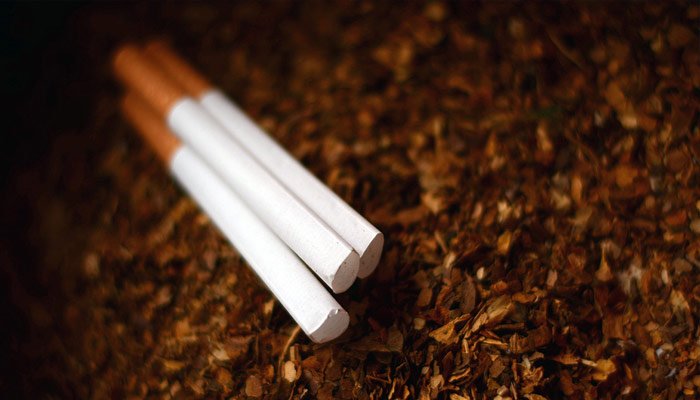
As the world marks World COPD Day, pulmonologists are once again calling attention to one of the most preventable causes of Chronic Obstructive Pulmonary Disease (COPD): tobacco use.
Dr Kunal Kumar, a leading pulmonologist from Uttarakhand, stresses that whether tobacco is smoked or chewed, its impact on the lungs remains severe and often irreversible.
COPD is a progressive condition characterised by persistent breathlessness, chronic cough, and excess mucus, and its symptoms worsen steadily with ongoing tobacco exposure. According to the World Health Organization, more than 70% of COPD cases in developed nations are linked to tobacco smoking. In India, although household air pollution and occupational hazards play a role, smoking still remains the dominant cause. Research shows a strong correlation between the number of pack-years and the severity of COPD—more exposure means greater long-term damage.
In urban India, especially in metros burdened with pollution and overcrowding, COPD often develops silently. Many people treat early respiratory symptoms as minor irritants or the result of ageing. By the time they seek medical help, Dr Kumar warns, significant lung damage has usually already occurred.
This year’s theme, “Short of Breath? Think COPD”, highlights the urgent need for not just awareness but evidence-based cessation strategies. Dr Kumar notes that for many tobacco users, quitting is not just a matter of willpower. Nicotine dependence is a physiological addiction, and users benefit greatly from structured treatment support.
One of the most effective tools is Nicotine Replacement Therapy (NRT). By supplying controlled doses of nicotine without the harmful toxins found in tobacco smoke, NRT helps manage withdrawal and reduce cravings. Available in the form of patches, gums, and lozenges, NRT has been shown to double quit success rates, particularly when paired with behavioural counselling.
Dr Kunal Kumar, Pulmonologist at Swami Bhoomanand Hospital, Uttarakhand, explains:
“For individuals battling nicotine addiction, NRT combined with professional counselling provides a practical and scientifically proven pathway to quitting. Under medical supervision, it reduces withdrawal symptoms, lowers relapse risk, and protects long-term lung health.”
India’s Reference Manual for Tobacco Cessation recognises NRT as a first-line therapy, and studies suggest that dual-form NRT—using a patch with a fast-acting form like gum or lozenge—may offer even higher success rates than single-form treatments.
On World COPD Day, experts like Dr Kumar emphasise that the fight against COPD begins with addressing tobacco use—not through guilt or fear, but through compassion, science, and modern treatment options like NRT.
Comments are closed.