
Boeing Faces Renewed Scrutiny After Deadly Dreamliner Crash in Ahmedabad

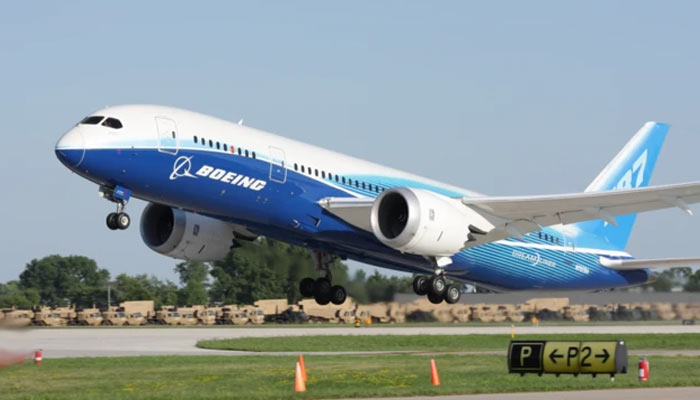
Boeing’s Comeback Unravels After Air India Dreamliner Crash in Ahmedabad.
Boeing is once again in crisis mode. A devastating crash involving an Air India Boeing 787-8 Dreamliner in Ahmedabad has killed all 241 people on board, reigniting global concerns over the safety and oversight of the American aerospace giant—just as it was preparing to showcase a long-awaited revival at the Paris Air Show.
The crash of Flight AI-171, one of the worst aviation disasters in the past decade, could not have come at a worse time. While the cause is still under investigation and early findings suggest no immediate manufacturing fault, the incident casts a long shadow over Boeing’s most technologically advanced—and previously accident-free—wide-body aircraft.
Revival on the Brink
Boeing had spent months rebuilding confidence after a bruising few years defined by production lapses, mounting debt, and high-profile failures, notably the 737 MAX crisis. The Paris Air Show was meant to mark a turning point. CEO Kelly Ortberg and Commercial Airplanes head Stephanie Pope were scheduled to headline, celebrating over 300 recent aircraft orders and a return to stable production.
Instead, both executives have withdrawn from the event.
“As our industry prepares to start the Paris Air Show, Stephanie and I have both cancelled plans to attend so we can be with our team and focus on our customer and the investigation,” Ortberg said in an internal note, as reported by Reuters.
Boeing’s stock plunged 4.8% on Thursday, dragging down key suppliers like Spirit AeroSystems and GE Aerospace, both of which have exposure to the 787 program. The company’s debt also took a hit as investors braced for wider repercussions.
The First Fatal Crash of the Dreamliner
The Dreamliner’s reputation as a safe, fuel-efficient flagship is now under threat. Delivered in 2014, the ill-fated aircraft had logged over 41,000 flight hours. Though its age was within service norms, its crash marks the first fatal incident involving the 787 and reopens difficult questions for Boeing about engineering, quality control, and accountability.
Aviation analyst John Nance pointed out that while the cause may ultimately absolve Boeing, public perception may prove harder to overcome. “Even if it wasn’t Boeing’s fault, to most people it’s still a Boeing plane that crashed,” he told Reuters.
Reputation in Free Fall
Ortberg, who took charge after a turbulent 2024 that included the now-infamous 737 MAX door plug blowout, has been fighting an uphill battle to restore credibility. Boeing has slid to 88th out of 100 in recent U.S. brand trust rankings (Axios Harris), and public confidence remains fragile.
Even a cleared investigation may not save Boeing from reputational damage. The fear is déjà vu—a repeat of the 737 MAX saga, where a single failure spiraled into a global crisis. Lawsuits, regulatory blowback, and shaken airline confidence could all follow.
An Industry Under Pressure
For Boeing, the timing is particularly cruel. The company is already under investigation in the U.S., grappling with safety probes, legal action, and internal production challenges. The crash may invite renewed scrutiny and jeopardize upcoming deliveries and future orders.
Ortberg has assured full cooperation with Indian authorities. But beyond the investigation, the deeper challenge remains: rebuilding trust—with airlines, investors, regulators, and the flying public.
In aviation, safety is not just a feature. It is the foundation. And Boeing, once again, finds itself fighting to prove it still deserves to lead the skies.
Comments are closed.