
The Power of Nutrition and Timely Diagnosis in Combating Fatty Liver Disease

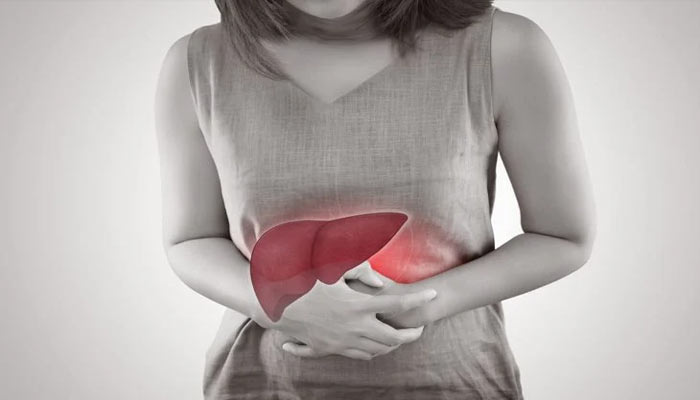
Reversing Fatty Liver: How Diet and Early Detection Can Restore Liver Health.
Fatty liver disease — or hepatic steatosis — is quietly becoming one of the most common chronic health issues worldwide. Often linked to modern lifestyle habits like poor diet, lack of exercise, and rising obesity rates, it affects millions globally. If left unmanaged, it can lead to serious complications such as non-alcoholic steatohepatitis (NASH), fibrosis, cirrhosis, and even liver cancer. The good news? Fatty liver disease is one of the few chronic liver conditions that can be reversed — especially with timely detection and dietary changes.
What is Fatty Liver Disease?
Fatty liver disease occurs when fat builds up in liver cells, impairing the organ’s ability to function properly. It comes in two primary forms:
Alcoholic fatty liver disease (AFLD): Caused by excessive alcohol intake.
Non-alcoholic fatty liver disease (NAFLD): More prevalent, and closely linked to obesity, insulin resistance, type 2 diabetes, and high cholesterol.
Most people with NAFLD show no symptoms in the early stages, which is why it often goes unnoticed until significant liver damage has occurred.
Why Early Detection Matters
Early detection offers the best chance of reversing fatty liver disease before it causes long-term harm. Individuals with risk factors — such as obesity, diabetes, or metabolic syndrome — should undergo routine liver health screenings. Diagnostic tools like liver enzyme blood tests, ultrasounds, and non-invasive tests like FibroScan can detect fat accumulation and liver stiffness, indicating inflammation or fibrosis.
When diagnosed early, lifestyle changes — especially diet — can significantly reduce liver fat and restore normal function.
Food as Medicine: The Core of Reversal
Diet is the most powerful and evidence-backed strategy to reverse fatty liver. Research has shown that dietary interventions can reduce liver fat, improve insulin sensitivity, and even allow the liver to heal.
Key Nutritional Guidelines:
Cut back on sugar and refined carbs: Eliminate or reduce sodas, sweets, and processed grains that promote fat storage in the liver.
Prioritize whole foods: Include vegetables, fruits, legumes, nuts, and whole grains to boost fiber and antioxidants that support detoxification.
Incorporate healthy fats: Omega-3-rich foods like salmon, flaxseeds, and walnuts help reduce inflammation and liver fat.
Choose lean proteins: Poultry, fish, tofu, and legumes provide vital nutrients and aid liver repair.
Avoid saturated and trans fats: Minimize consumption of fried foods, processed snacks, and fatty red meats which worsen liver inflammation.
The Lifestyle Connection
Diet alone is powerful, but when paired with physical activity, the benefits multiply. Regular exercise improves metabolism, reduces fat accumulation, and enhances insulin sensitivity. Aim for at least 150 minutes of moderate-intensity exercise per week. Additionally, adequate sleep and stress management contribute to better liver function and overall metabolic health.
A Manageable Disease — If Caught Early
Fatty liver disease is on the rise, but it’s not irreversible. When diagnosed in time and treated with targeted lifestyle changes, particularly a nutrient-rich diet, the liver has a remarkable ability to regenerate.
For individuals at risk, taking preventive action through screening and embracing a balanced, whole-food-based diet is more than a health tip — it could be a lifesaving intervention. Because when it comes to liver health, every bite counts.
Comments are closed.