
Environmental Crisis in Northern Ireland: Lough Neagh Struggles with Algae Bloom

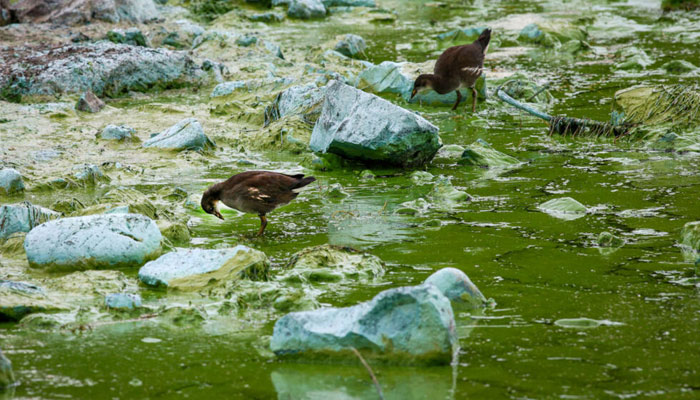
Toxic Algae Threatens Lough Neagh, UK’s Largest Lake, Impacting Wildlife, Recreation, and Water Safety.
For the third consecutive year, toxic blue-green algae has smothered much of Lough Neagh, the largest lake in the UK and Ireland, creating a thick, pea-soup green layer visible even from space. This summer, locals say, the bloom has reached unprecedented levels, prompting fears for the lake’s ecology and public health.
“The lake is dying,” said Mary O’Hagan, an open-water swimmer from Ballyronan. Algae-coated stones have made swimming impossible, while recreational activities and fishing have taken a severe hit. Signs banning bathing dot the lake’s 78-mile shoreline, including at popular areas 34 miles west of Belfast.
Experts blame a mix of industrial, agricultural, and sewage pollution, as well as climate change, for fueling the algae’s growth. Fertilizer and slurry run-off from farms supplying companies like Moy Park, along with untreated sewage spills, are seen as major contributors, though the company denies wrongdoing.
In addition, the invasive zebra mussel—recently introduced to the lake—filters water but stimulates algae growth, worsening the green water problem. The bloom has decimated fish populations, including trout and eels, forcing the suspension of Europe’s largest eel fishery this year. Local fisherman Mick Hagan laments, “This is the first generation in my family not fishing for eels in Lough Neagh.”
Small businesses reliant on the lake are also struggling. Paddleboard operator Gavin Knox described a collapse in bookings due to the foul smell and environmental degradation. “Even safe areas are avoided by visitors when the fish are dying and the birds are covered in green slime,” he said.
The Northern Ireland government launched an action plan last July, but fewer than half of the measures have been implemented, with timelines extending into 2026. With 40% of the region’s drinking water sourced from Lough Neagh, experts warn of potential public health risks if urgent action is not taken.
Local campaigners, including O’Hagan, are demanding stronger enforcement against polluters and an independent environmental agency to protect the lake. Meanwhile, the algae bloom continues to disrupt life, highlighting the urgent need for sustainable solutions to restore this iconic Northern Irish landmark.
Comments are closed.