
PM Modi Unveils 7-Point ‘Saptdhara’ Vision to Drive India’s Viksit Bharat Mission

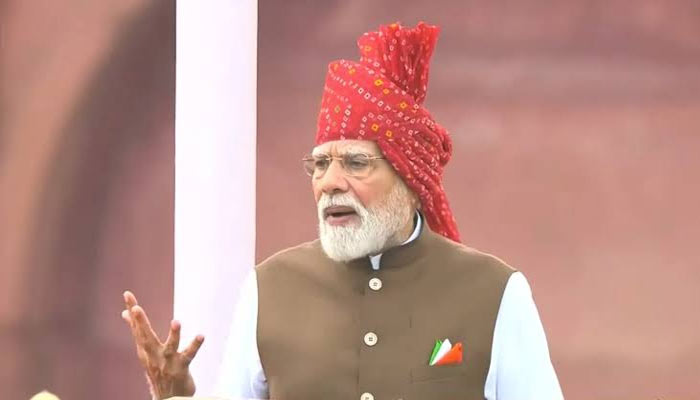
PM Modi Unveils ‘Shakti Ki Saptdhara’ Roadmap for Next-Gen Reforms and Viksit Bharat
Prime Minister Narendra Modi on Saturday outlined a seven-point reform framework, ‘Shakti Ki Saptdhara’, aimed at guiding India’s next phase of growth and helping the country achieve the goal of Viksit Bharat.
Addressing the nation from the Red Fort on India’s 80th Independence Day, PM Modi identified seven priority areas that he said would form the foundation of the next generation of reforms.
The seven pillars include manufacturing, agriculture and food processing, technology and innovation, Gati Shakti, Raksha Shakti, the green and blue economy, and India’s soft power.
1. Manufacturing
The Prime Minister placed manufacturing at the centre of the roadmap, calling for Indian products to compete globally on cost, quality and scale. He stressed the importance of meeting international standards and strengthening India’s position as a global manufacturing hub.
2. Agriculture and Food Processing
The second pillar focuses on agriculture and food processing. PM Modi said India should move beyond producing agricultural goods and focus on taking them to international markets as globally recognised brands.
3. Technology and Innovation
Technology and innovation form the third stream of the roadmap. The Prime Minister highlighted digital and communication technologies while stressing the need to build stronger capabilities in emerging technologies to support future economic growth.
4. Gati Shakti
Under Gati Shakti, the government will focus on improving connectivity and infrastructure. Faster transport networks and seamless movement of people and goods, PM Modi said, will be critical to boosting economic activity and strengthening India’s logistics capabilities.
5. Raksha Shakti
The fifth pillar is Raksha Shakti, centred on defence self-reliance. PM Modi called for greater domestic capabilities in advanced defence technologies and highlighted areas such as drones and supersonic systems as part of India’s next-generation defence ambitions.
6. Green and Blue Economy
The sixth pillar combines the green and blue economy, with an emphasis on sustainable development and better utilisation of India’s natural resources. The Prime Minister said these sectors can simultaneously support environmental sustainability and create new economic opportunities.
7. Soft Power
The final pillar focuses on India’s global soft power. PM Modi highlighted Yoga, Ayurveda, holistic health, creative industries and tourism as areas where India can expand its international influence while generating economic opportunities.
Calling the seven areas the “power of seven”, PM Modi said ‘Shakti Ki Saptdhara’ would provide the foundation for the next generation of reforms and accelerate India’s journey towards becoming a developed nation.
The roadmap places equal emphasis on economic competitiveness, technological advancement, infrastructure, defence preparedness, sustainability and cultural influence, setting out a broad framework for India’s development ambitions in the years ahead.
Comments are closed.