
Mexico Imposes 50% Tariff on Indian Goods, Threatening $1 Billion in Exports

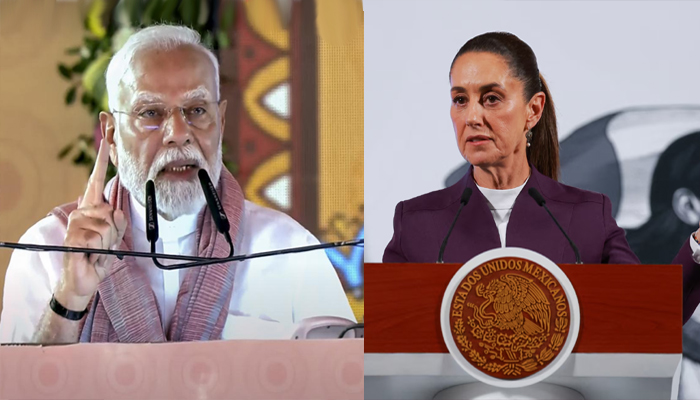
Four months after the US imposed 50% tariffs on most Indian goods, Mexico has approved levies of up to 50% on select imports from Asian nations, including India and China.
The new duties—aimed at protecting domestic industry—will take effect on January 1, 2026. According to El Universal, the tariffs cover a wide range of products such as auto parts, passenger cars, clothing, plastics, steel, appliances, toys, textiles, footwear, furniture, leather goods, motorcycles, aluminium, paper, cardboard, trailers, soaps, perfumes and cosmetics. The move targets countries that do not have a trade agreement with Mexico, including India, China, South Korea, Thailand and Indonesia.
Why Mexico Is Raising Tariffs
Mexico says the decision is meant to reduce dependence on Asian imports, especially from China, with which it runs a deep trade deficit. China criticised the move as “unilateral” and “protectionist”, urging Mexico to reverse the decision.
China stands to lose the most, having exported $130 billion worth of goods to Mexico in 2024. Mexico also expects the tariff hike to generate an additional $3.8 billion in revenue.
President Claudia Sheinbaum’s administration argues that the duties will shield local industry and boost domestic production, with ruling-party lawmakers saying the aim is to “create jobs”.
However, analysts cited by El Financiero believe the tariffs may also be designed to appease the United States ahead of the upcoming US-Mexico-Canada Agreement review.
Impact on India
For India, the new tariffs will hit around $1 billion worth of exports, particularly in the automobile sector. Major carmakers exporting from India—including Volkswagen, Hyundai, Nissan and Maruti Suzuki—will face import duties on cars rising from 20% to 50%.
Comments are closed.